As one of the core equipments in power system, the operation stability of transformer directly affects the safety and reliability of the whole power grid. In the actual operation process, the transformer may cause resonance phenomenon for some reasons, which may lead to overvoltage, equipment damage and even system failure. Therefore, it is an important task to deeply understand the causes of transformer resonance and take effective measures to avoid it.
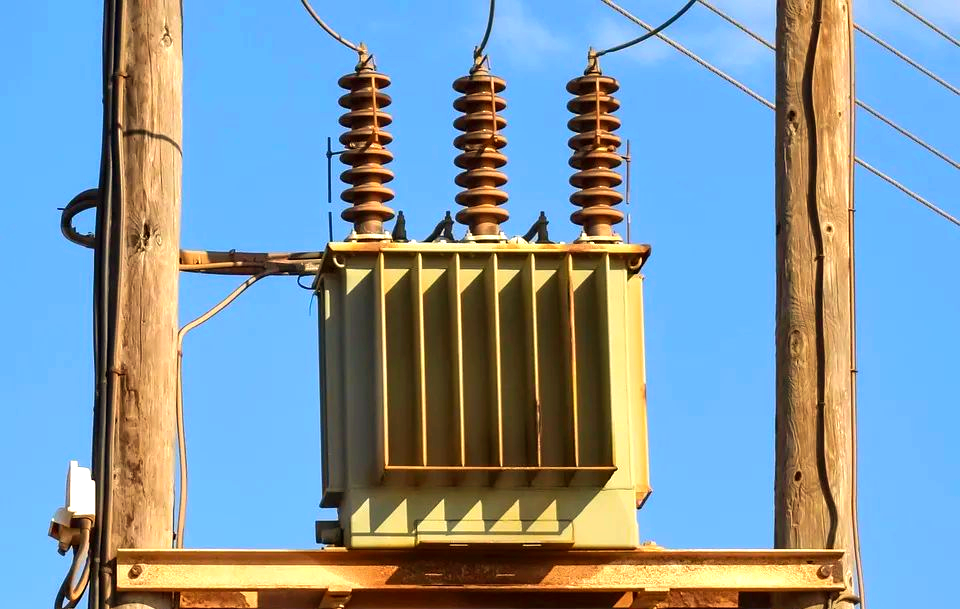
. Types and Causes of Transformer Resonance
Transformer resonance is usually divided into two types: ferromagnetic resonance and harmonic resonance.
1. Ferroresonance: It mainly occurs in the system with ungrounded neutral point or grounded via arc suppression coil. When the iron core of voltage transformer (PT) and other equipment is saturated under certain conditions, it forms a nonlinear parallel or series resonant circuit with the system capacitor, thus causing resonance. Ferromagnetic resonance has the characteristics of long duration, high voltage amplitude and low frequency, which is easy to damage equipment.
2. Harmonic resonance: Because there are a large number of nonlinear loads (such as frequency converters, rectifier devices, etc.) in the power system, high-order harmonic current will be generated. When these harmonic frequencies are close to the natural frequency of the system, it may cause harmonic resonance between the transformer and the capacitor, resulting in over-current and local overheating.
Second, the harm of transformer resonance
The resonance phenomenon may lead to the following serious consequences:
-Cause overvoltage, damage insulation and shorten equipment life;
-Overcurrent is caused, resulting in misoperation of protection or burning of equipment;
-Cause system voltage fluctuation and affect power quality;
-Increase operation and maintenance costs and reduce system reliability.
Third, the main measures to prevent transformer resonance
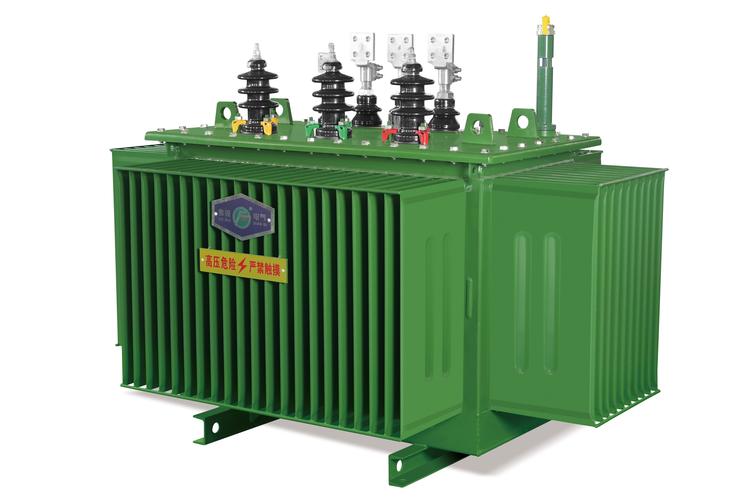
n order to effectively avoid transformer resonance, we can start from the following aspects:
1. Optimize the system design:
-In the system design stage, the impedance characteristics of each element should be fully considered to avoid the formation of a resonant circuit;
-Reasonably configure the parameters of capacitors and reactors to prevent them from forming a resonant circuit with transformers.
2. Using damping device:
-Adding appropriate damping resistor on the secondary side of voltage transformer can effectively suppress ferromagnetic resonance;
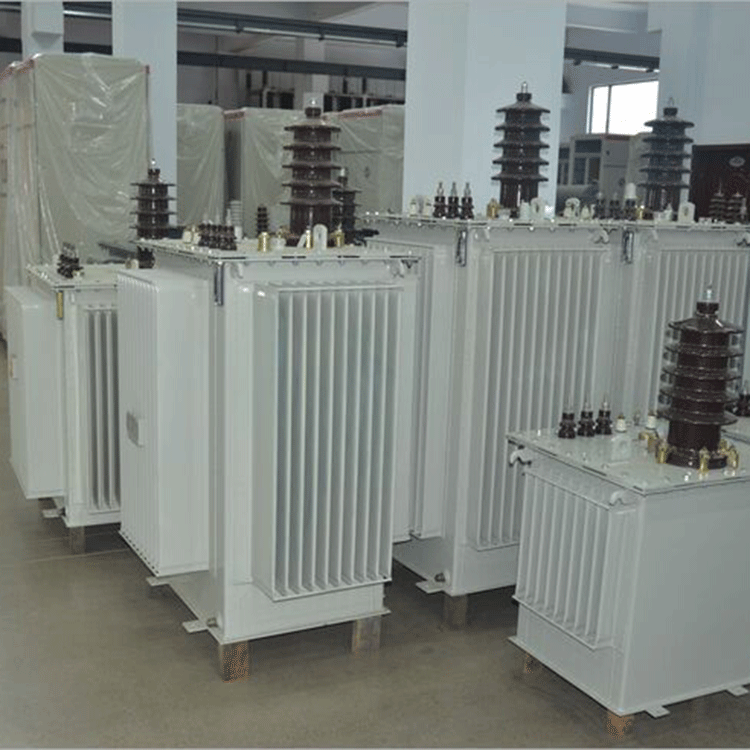
Damping reactors or multiband filters are added to the system to destroy the resonance conditions.
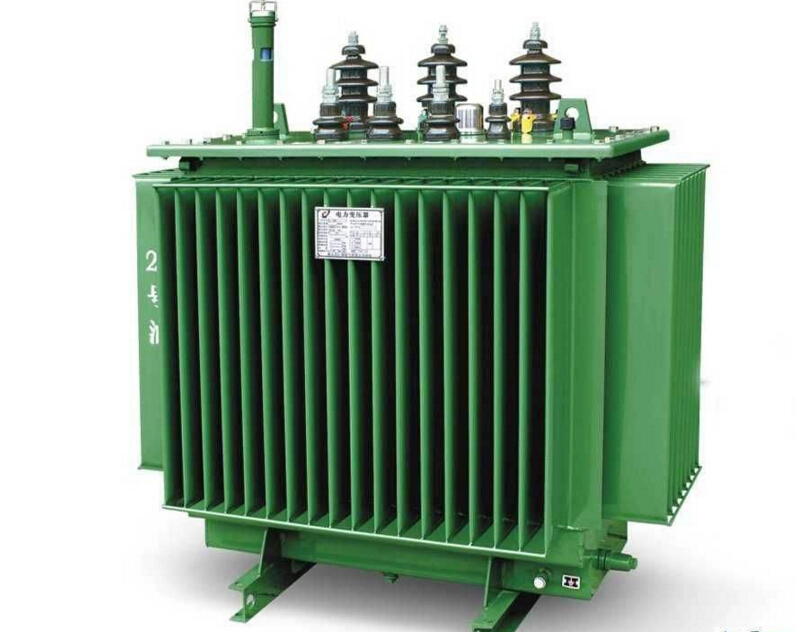
3. Reasonable selection of transformer and transformer structure:
-Choose a voltage transformer with high saturation point to reduce the possibility of iron core saturation;
-For systems prone to resonance, a three-phase five-column voltage transformer can be used to reduce the risk of ferromagnetic resonance.
4. Operation management and monitoring:
-Regularly monitor the power quality to find and deal with harmonic problems in time;
-Real-time monitoring of system parameters. Once abnormal voltage or current waveforms are found, timely adjust the operation mode or put into suppression devices.
5. Using microcomputer protection device:
-Equipped with intelligent protection device with resonance identification and alarm function to respond quickly at the initial stage of resonance, cut off the fault source or start the suppression measures.
IV. Conclusion
Transformer resonance is a potential safety hazard that can't be ignored in power system, especially in the background of increasingly complex modern power system and diversified loads. Through scientific design, reasonable equipment selection and effective operation management means, the risk of resonance can be greatly reduced, and the safe and stable operation of transformers and even the whole power system can be guaranteed. Therefore, power engineers and technicians should constantly learn and master relevant knowledge to improve the anti-resonance ability of the system and ensure the high-quality operation of the power grid.

 Time:2026-03-31 06:50:37
 ClickNumber of times:116
  Browse
 Home page
 position: