Bus is an important conductor for transmitting and distributing electric energy in power system, which is widely used in substations, distribution rooms, power plants and other places. Whether the bus layout is reasonable or not directly affects the operation safety, reliability and maintenance convenience of the power system. Therefore, in the process of electrical design and construction, bus layout needs to follow certain technical specifications and safety standards.
First, the basic types of bus
According to the different structural forms, buses are mainly divided into hard buses and soft buses. Hard bus is usually made of copper, aluminum or aluminum alloy, which has good conductivity and mechanical strength and is often used in power distribution devices. Flexible buses are mostly stranded wires, which are often used in outdoor power distribution devices and have good flexibility and wind resistance.
Second, the common bus layout
1. single-bus configuration
This is the most basic bus connection mode, with simple structure and low investment, which is suitable for small distribution systems. However, due to bus failure or maintenance, the whole system will be blacked out, so the reliability is low.
2. Double bus connection
Double-bus arrangement is equipped with two main buses, and the switch between power supply and load is realized by isolating switch, which has high operation flexibility and power supply reliability and is often used in medium and large substations.
3. Configuration of bus with bypass
Adding bypass bus on the basis of double bus can realize the uninterrupted maintenance of circuit breaker and improve the maintainability of the system.
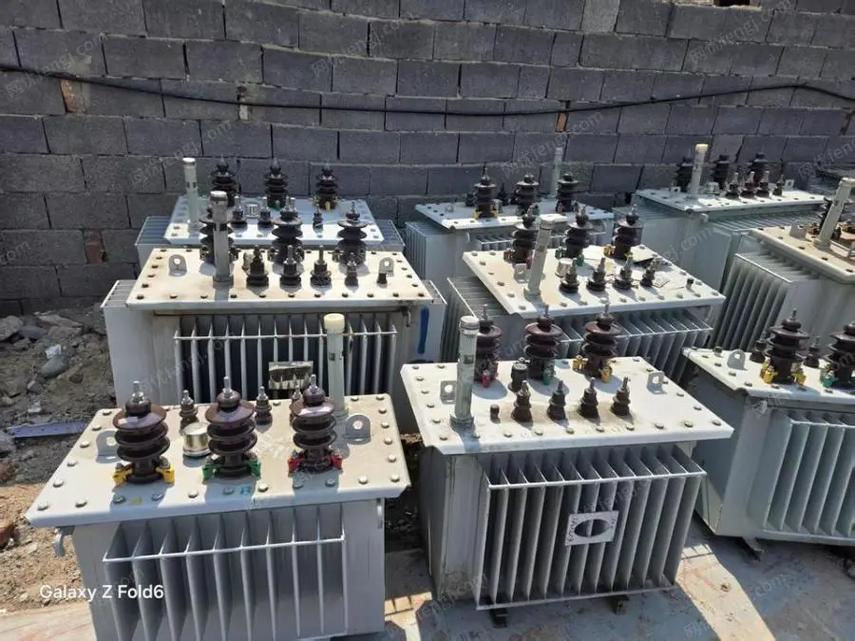
. Wiring of one and a half circuit breakers
This connection mode is common in high-voltage transmission lines, and each loop is powered by 1.5 circuit breakers, which has high power supply reliability and operational flexibility, but the equipment investment is large.
Third, the principle of bus layout
1. Safety principle
Busbars should be arranged in a well-ventilated, dry and easy-to-maintain position to avoid being installed in flammable, explosive or humid environment. At the same time, a sufficient safe distance should be kept between buses to prevent short circuit accidents.
2. Economy and practical principles
Busbar layout should be as simple and compact as possible to reduce material consumption and installation cost, and at the same time facilitate later operation and maintenance.
3. Heat dissipation and current carrying capacity
Busbar will generate heat in operation, so good heat dissipation conditions should be considered when layout, and appropriate cross-sectional area should be selected according to load size to prevent equipment damage caused by overheating.
4. Extensibility and flexibility
With the increase of power load, some expansion space should be reserved for bus layout to facilitate the expansion and transformation of the system in the future.
IV. Key points of construction and maintenance
-Before bus installation, insulation test and contact resistance measurement should be carried out to ensure reliable connection.
-All joints shall be treated with silver plating or tin plating to enhance electrical conductivity and oxidation resistance.
-Regularly check the bus by infrared temperature measurement, and find out the hidden danger of overheating in time.
-Regularly clean the dust on the bus surface to prevent the insulation from falling or discharge accidents caused by dust accumulation.
tag
Reasonable bus arrangement is not only related to the stable operation of power system, but also directly affects the service life and operation and maintenance cost of equipment. Therefore, various factors should be fully considered in the design stage, and the bus layout scheme should be scientifically selected to ensure its safety, reliability and economy. At the same time, the construction process should be strictly in accordance with the norms, and the later maintenance should be institutionalized and normalized to ensure the long-term stable operation of the power system.

 Time:2026-03-29 00:42:20
 ClickNumber of times:115
  Browse
 Home page
 position: