Power system is one of the most important infrastructures in modern society, which provides stable, safe and efficient electric energy for industry, commerce, residents' life and other fields. A complete power system is composed of many parts, and each link closely cooperates to ensure the smooth production, transmission, distribution and use of power.
The power system is mainly composed of the following parts:
. Power generation system
Power generation system is the starting point of power system, which is responsible for converting various forms of energy into electric energy. Common power generation methods include thermal power generation, hydropower generation, nuclear power generation, wind power generation and solar power generation. Different types of power plants are rationally arranged according to the distribution of energy resources and environmental conditions. For example, hydropower is usually built near rivers, while wind or solar power is mostly built in areas with abundant wind or sunshine. The voltage generated by power plants is usually between 6 and 20 kV.
2. Power transmission system
The function of power transmission system is to efficiently transport the electric energy generated by generators to remote load centers. Because of the great energy loss in the process of long-distance transmission, it is necessary to adopt high voltage or even ultra-high voltage transmission methods (such as 110 kV, 220 kV, 500 kV or even higher). Substation will increase the output voltage of power plant to reduce the current and loss on transmission lines. Transmission lines are usually composed of overhead lines or underground cables.
3. Power distribution system
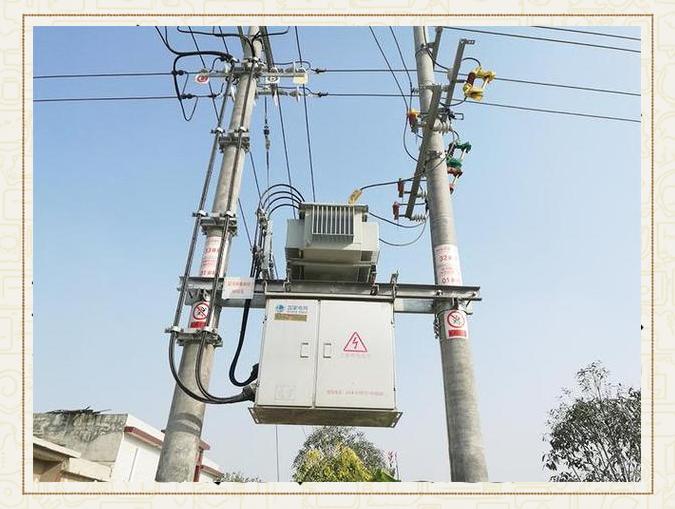
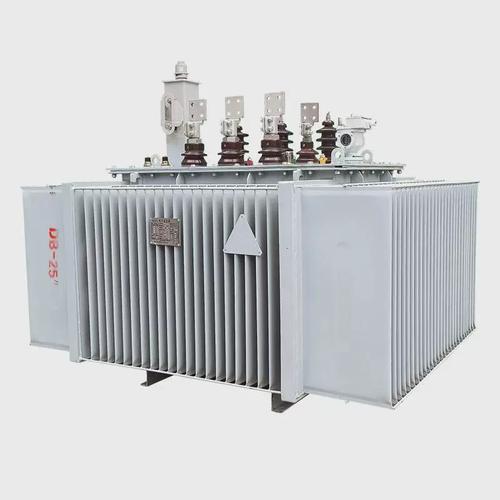
The distribution system is responsible for reducing the voltage of high-voltage electric energy delivered by the transmission system and distributing it to all users. The distribution system is divided into high voltage distribution network (e.g. 35kV), medium voltage distribution network (e.g. 10kV) and low voltage distribution network (e.g. 380/220v). Substation and transformer are important parts of the distribution system. They adjust the voltage level according to the users' electricity demand, and send the electric energy safely to power terminals such as factories, homes and commercial areas.
4. Control and scheduling system
In order to ensure the safe, stable and efficient operation of power system, a perfect control and dispatching system must be established. Modern power system adopts automatic monitoring system (such as SCADA system), relay protection device and dispatching center for real-time monitoring and adjustment. The dispatching center is responsible for coordinating the output of each power plant, balancing power supply and demand, preventing power accidents and ensuring the stable operation of the power grid.
5. User system
User system is the terminal of power system, including industrial users, commercial users and residential users. Users get the required electric energy through the power distribution system and use it through various electrical equipment, such as motors, lighting equipment, household appliances and so on.
To sum up, power system is a huge and complex system engineering, and all links are interdependent and indispensable. With the development of new energy technology and the popularization of smart grid, the structure of power system will be more intelligent and green, which will provide a strong guarantee for the sustainable development of society.

 Time:2026-02-16 20:28:26
 ClickNumber of times:137
  Browse
 Home page
 position: