Oil-immersed transformer is an important equipment widely used in power system. Its main function is to change the voltage level through electromagnetic induction principle to meet the needs of transmission and distribution. Because the transformer will generate a lot of heat during operation, if the heat cannot be dissipated in time, the temperature of the equipment will rise, which will affect its operation efficiency and service life. Therefore, a good cooling system is very important for the safe and stable operation of oil-immersed transformer.
The cooling mode of oil-immersed transformer mainly depends on the circulating flow of transformer oil and the function of radiator. Transformer oil is not only used as an insulating medium, but also plays an important role in heat conduction and heat dissipation. According to different cooling methods, oil-immersed transformers can be divided into the following main types:
1. Natural oil circulation natural cooling (ONAN)
This is the most basic form of cooling. When the transformer is running, the heat generated inside makes the oil temperature increase and the oil density decrease, thus forming natural convection: the hot oil rises to the top of the oil tank or radiator, and the density increases after cooling, and then flows back to the bottom of the transformer to form circulation. The radiator radiates heat to the environment through natural convection of air. This cooling method is simple in structure and convenient to maintain, and is suitable for small and medium-sized transformers.
2. Natural oil circulation air cooling (ONAF)
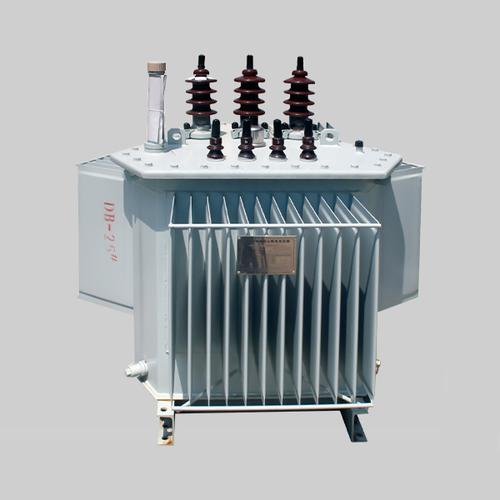
n the basis of ONAN, a fan device is added to accelerate the cooling efficiency of radiator by forced air flow. This method can significantly improve the heat dissipation capacity without increasing the circulating speed of transformer oil, and is often used in transformers with large load fluctuation.
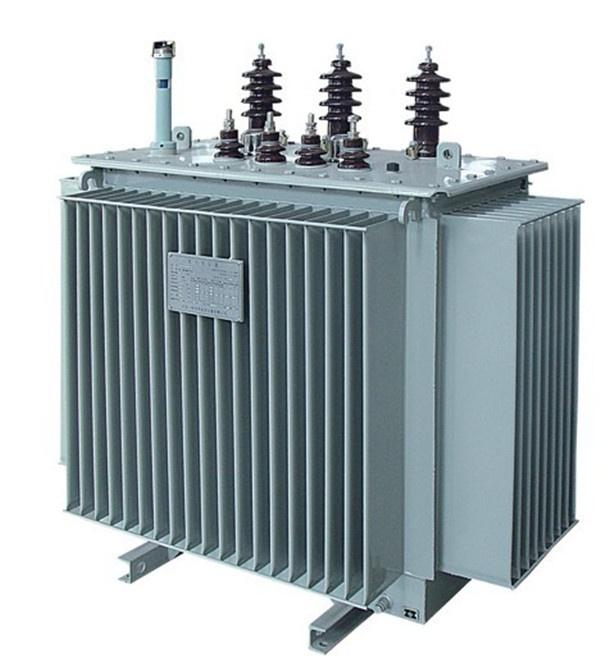
. Forced oil circulation air cooling (OFAF)
In this cooling mode, the transformer oil is forced to circulate in the cooling system by the oil pump, and is quickly cooled by an external cooler (usually a radiator with a fan). This method has high cooling efficiency and fast response speed, and is suitable for transformers with large capacity and high load operation.
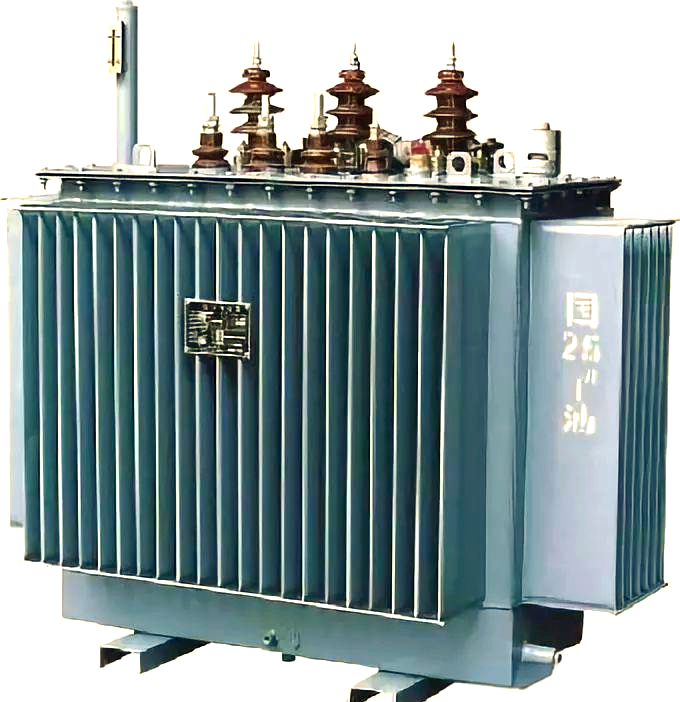
. Forced oil circulation water cooling (OFWF)
This method uses water as the final cooling medium, which has high heat dissipation efficiency, and is often used in large power plants or urban center substations where space and heat dissipation efficiency are highly required. However, its structure is complex, which requires high quality and tightness of cooling water.
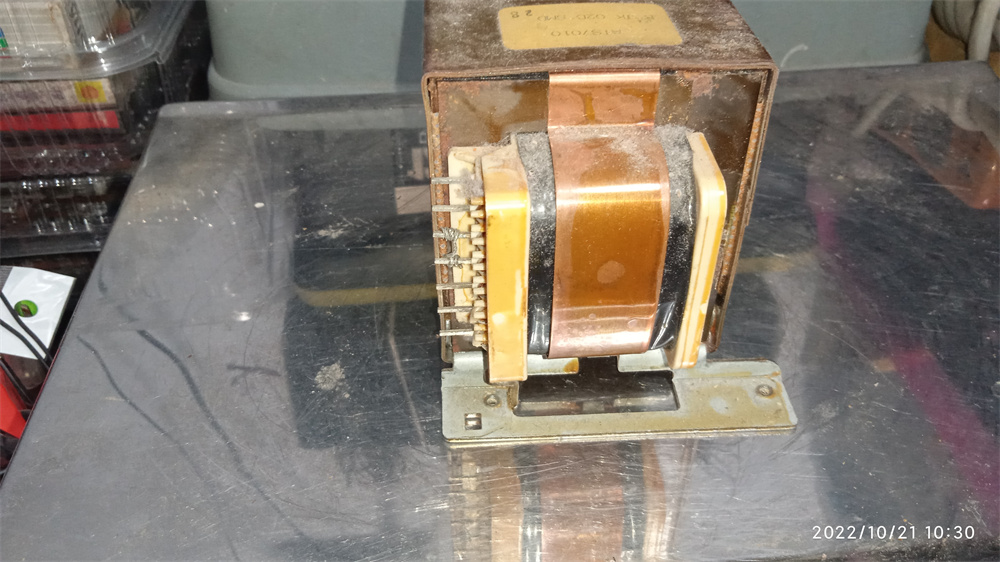
In addition to the above cooling methods, in the actual operation process, various cooling methods will be used in combination according to the load situation and environmental temperature to achieve the best cooling effect and operation economy.
To sum up, the cooling system of oil-immersed transformer is the key link to ensure its long-term stable operation. Choosing appropriate cooling mode can not only improve the operation efficiency of transformer, but also prolong the service life of equipment and ensure the safe and reliable operation of power system. With the development of science and technology, the future transformer cooling technology will be more intelligent and efficient, which will provide strong support for building a green and energy-saving power network.

 Time:2026-02-15 12:40:17
 ClickNumber of times:150
  Browse
 Home page
 position: