First of all, the capacity configuration of data center transformers should fully consider the load demand. Generally, the load rate of transformer should be controlled between 60% and 80% to ensure its operation in high efficiency range and reserve space for future expansion. When designing, the total power of IT equipment, air conditioning system, UPS (Uninterruptible Power Supply), lighting and other auxiliary equipment should be comprehensively calculated, and the appropriate transformer capacity should be selected in combination with the principle of redundancy design.
Secondly, in the choice of voltage level, it is necessary to match the power supply source and internal distribution structure of the data center reasonably. Usually, 10kV or 35kV incoming line is used on the high voltage side, and 400V or 480V output is used on the low voltage side to meet the needs of UPS and precision power distribution system. In addition, in order to improve the reliability of power supply, data centers often adopt dual-channel mains input and are equipped with diesel generators as backup power supply, so the configuration of transformers must also support this multi-channel power supply switching architecture.
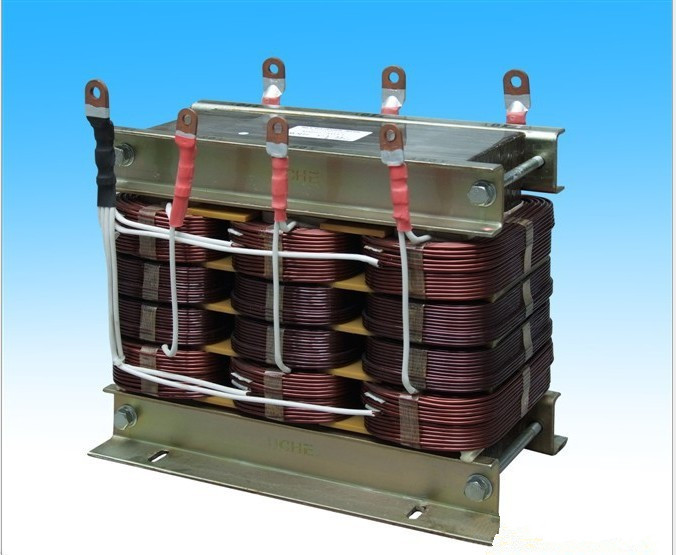
urthermore, the selection of transformer type is equally critical. At present, dry-type transformers are widely used in data centers because of their good fire protection performance and convenient maintenance. Especially in high-rise buildings or occasions with high requirements for fire prevention, dry-type transformers have obvious advantages. At the same time, energy-saving transformers such as amorphous alloy transformers are gradually favored, which is helpful to reduce no-load loss and improve overall energy efficiency.
Finally, the layout and heat dissipation design of transformer can not be ignored. It should be arranged near the load center to reduce line loss and voltage drop; At the same time, it is necessary to ensure good ventilation and cooling conditions to prevent local overheating from affecting the service life and operation safety of the equipment.
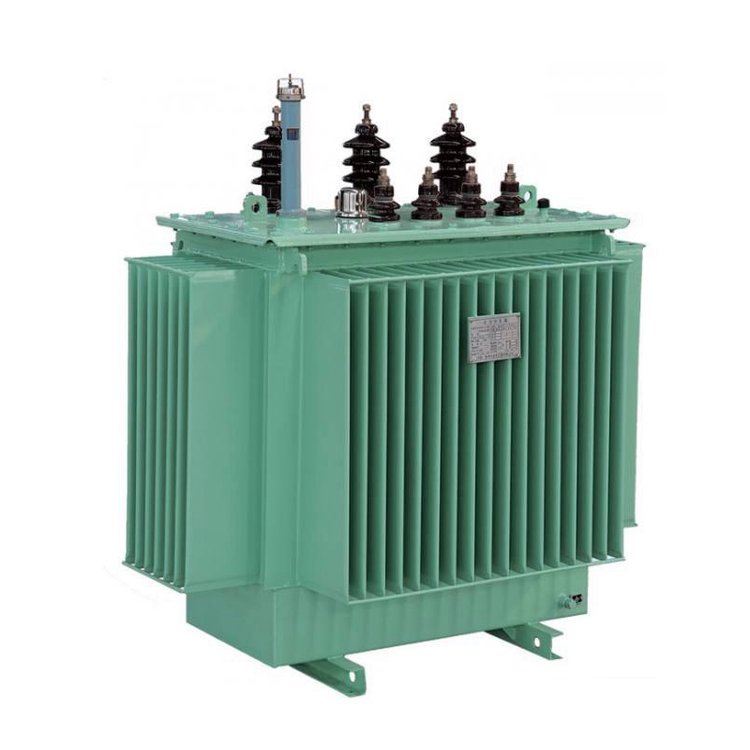
To sum up, the configuration of data center transformer is a systematic project, which needs to comprehensively consider many factors such as capacity, voltage grade, type selection, redundant design and installation environment. Only on the basis of scientific planning and reasonable design can we ensure the safe, stable and efficient operation of the power system in the data center and provide solid support for the digital business.

 Time:2026-02-04 16:40:21
 ClickNumber of times:164
  Browse
 Home page
 position: