Transformer is an indispensable and important equipment in power system, and its main function is to transfer energy between different voltage levels. In the process of transformer operation, insulation system plays a vital role, which not only relates to the normal operation of transformer, but also directly affects the safety and service life of equipment. Therefore, the rational design of transformer insulation structure is one of the core contents in transformer design.
First, the basic requirements of transformer insulation design
The primary goal of transformer insulation design is to ensure that the equipment can work reliably under normal operation and abnormal conditions. The insulation system needs to withstand the influence of long-term working voltage, short-term overvoltage (such as lightning impulse and operating overvoltage), mechanical stress, thermal stress and other factors. At the same time, insulating materials should also have good aging resistance, chemical corrosion resistance and flame retardancy.
Second, the main content of insulation design
1. Determination of voltage level and insulation level
According to the rated voltage and service environment of the transformer, the insulation level and withstand voltage level are determined. National standards and International Electrotechnical Commission (IEC) standards have clearly defined parameters such as power frequency withstand voltage and impact withstand voltage of different voltage levels.
2. Design of main insulation and longitudinal insulation
-Main insulation refers to the insulation between windings and ground, and between windings of different phases, which is usually made of insulating cylinders, pads, insulating cardboard and other materials.
-Longitudinal insulation refers to the insulation between layers, turns and segments in the same phase winding, which is usually realized by materials such as enameled wire and glass fiber wrapped insulation used in the winding itself.
3. Selection of insulation medium
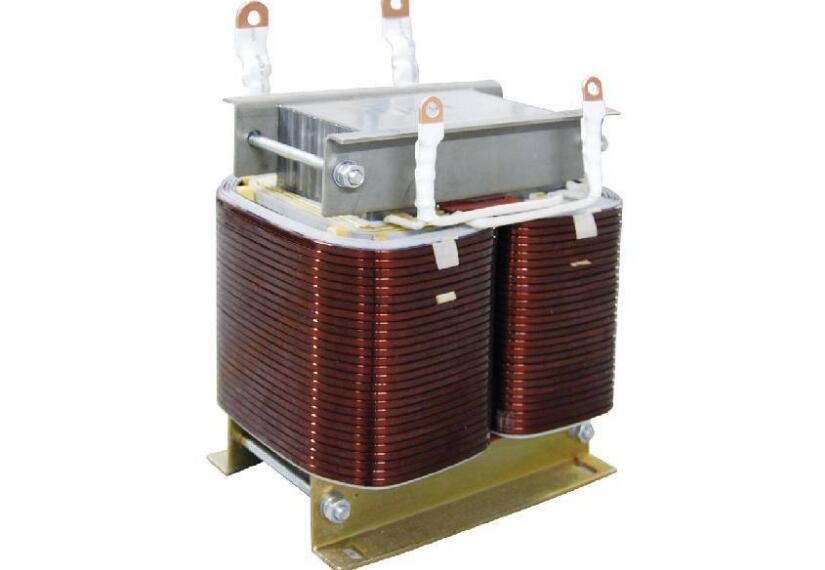
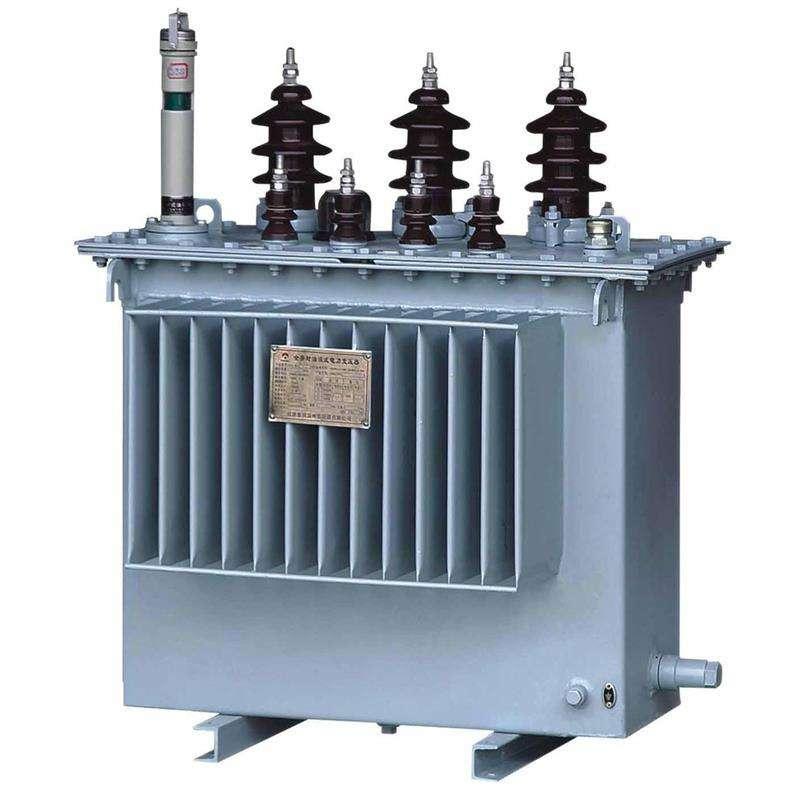
According to different cooling methods, transformers can be divided into dry-type transformers and oil-immersed transformers. Dry-type transformers are usually cast with epoxy resin and insulated with air. Oil-immersed transformer takes insulating oil as the main insulating medium, supplemented by cable paper and molded insulating parts.
. Optimal design of electric field distribution
Through reasonable structural design, electric field concentration is reduced and partial discharge is prevented. For example, shielding structure, equalizing ring and electrode shape optimization are used to improve the uniformity of electric field distribution.
5. Thermal design and insulation life evaluation
The thermal stability of insulation system directly affects the service life of transformer. Factors such as winding hot spot temperature, cooling mode and load capacity should be considered in design, and life prediction and analysis should be made according to IEC or national standard.
Third, the application of new materials and new technologies in insulation design
In recent years, with the development of power electronics technology and the continuous emergence of new materials, such as the application of nano-composite insulating materials and environmentally friendly insulating oil, more choices are provided for the design of transformer insulation system. These materials not only improve the insulation performance, but also enhance the environmental protection and operation safety.
IV. Conclusion
Transformer insulation design is a systematic engineering, involving many disciplines such as electricity, materials, structure and heat. With the development of power system towards high voltage and large capacity, higher requirements are put forward for transformer insulation design. Designers should combine the actual operating environment, comprehensively consider various technical indicators, and adopt advanced design concepts and materials to ensure the safe, reliable and long-term stable operation of transformers.
Through continuous optimization and innovation, the future transformer insulation design will develop in a more efficient, environmentally friendly and intelligent direction, which will provide a solid guarantee for the safe operation of modern power grid.

 Time:2026-01-09 20:22:48
 ClickNumber of times:171
  Browse
 Home page
 position: