With the acceleration of urbanization and the increasing shortage of land resources, traditional ground substations are gradually replaced by underground transformers, especially in urban central areas and places with limited space. Underground transformer is widely used because of its advantages such as small floor space and good aesthetics, but at the same time, how to effectively dissipate the heat generated during its operation has become a key problem that must be solved in design and operation.
During the operation of underground transformer, heat will be generated due to current passing through conductor and iron core loss. If the heat can't be discharged in time, it will lead to the temperature rise of the transformer, which will further affect its insulation performance, shorten its service life and even cause failures or safety accidents. Therefore, a reasonable cooling system is very important for the safe and stable operation of underground transformers.
First, the cooling mode of underground transformer
1. Natural air cooling and forced air cooling
Some underground substations will design ventilation systems to realize heat dissipation through natural ventilation or forced ventilation by installing fans. This method is suitable for small transformer stations with small calorific value. However, due to the limited ventilation of underground space, its effect is often not ideal, so it needs to cooperate with other cooling methods.
2. Water cooling system
Water cooling system is an efficient and stable heat dissipation method. The heat generated by the transformer is taken away by circulating cooling water, and then released into the atmosphere by cooling tower or external heat exchange equipment. This system is suitable for large underground substations with high heating value and high operating load.
3. Air-to-air heat exchanger (heat pipe technology)
he heat exchanger exchanges heat through the temperature difference between the inside and outside air, and achieves the purpose of cooling without directly introducing the outside air, thus avoiding the invasion of dust and moisture on the equipment. Because of its high efficiency, energy saving and simple structure, heat pipe technology has also been applied in the heat dissipation of underground transformers.
4. Oil circulation cooling of oil-immersed transformer
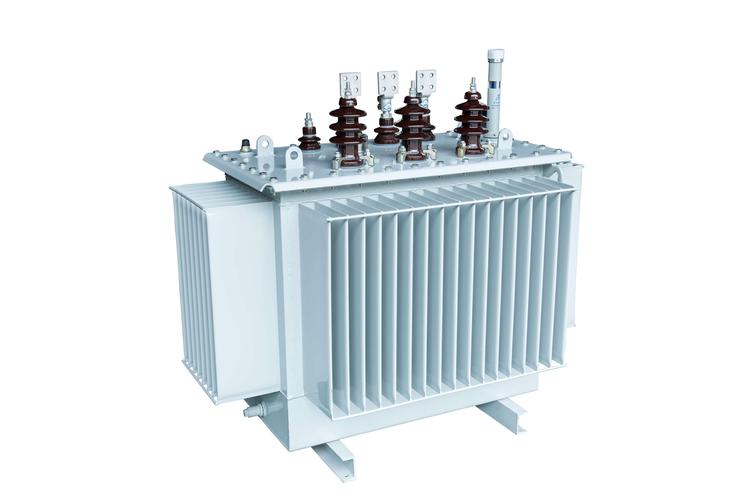
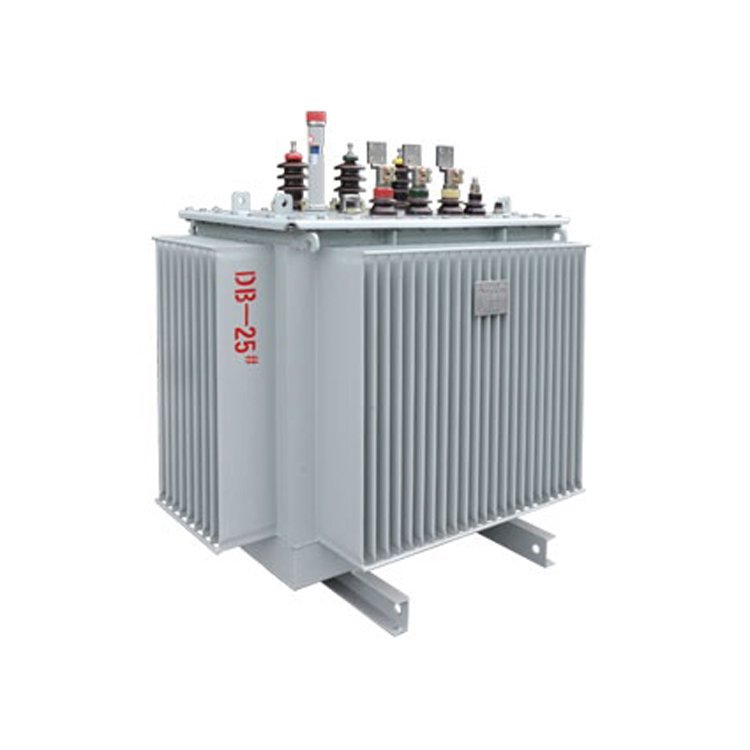
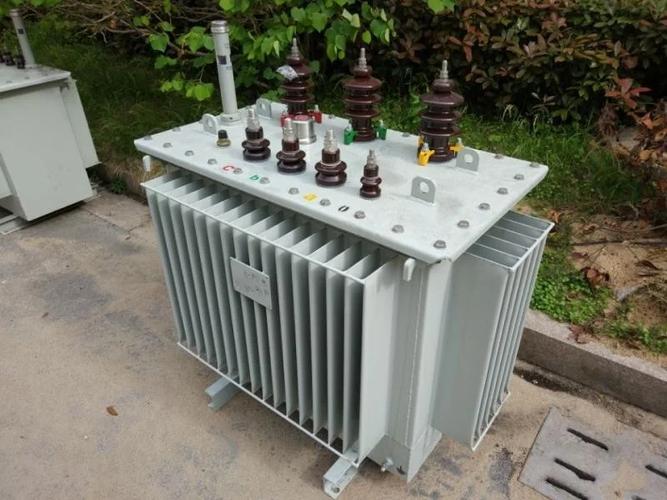
For oil-immersed transformer, the heat is transferred to the external cooling device through natural circulation or forced circulation of insulating oil, and then dissipated by radiator or fan. This method is also common in underground environment.
econd, the design and maintenance of heat dissipation considerations
In the design stage of underground transformer, it is necessary to comprehensively consider the environmental temperature, load, ventilation path, equipment layout and other factors, and reasonably choose the heat dissipation mode. In addition, it is necessary to set up a temperature monitoring system to grasp the running state of the transformer in real time and find out the abnormal temperature rise in time.
In terms of operation and maintenance, regular cleaning of vents, inspection of cooling system operation and replacement of aging components are also important measures to ensure heat dissipation effect. Especially in summer or during high-load operation, the inspection frequency should be strengthened to ensure that the cooling system is always in good condition.
Third, the conclusion
As an important part of modern urban power infrastructure, the heat dissipation of underground transformer directly affects the safety and stability of power supply system. Through scientific design, reasonable selection and standardized operation and maintenance, the heat dissipation problem of underground transformer can be effectively solved and its long-term and efficient operation can be guaranteed. In the future, with the development of new materials and technologies, the heat dissipation mode of underground transformers will be more intelligent and green, providing more reliable support for urban power supply.

 Time:2026-01-01 04:50:32
 ClickNumber of times:184
  Browse
 Home page
 position: