In the electroplating industry, power transformer is one of the key power equipment, which is directly related to the stability of electroplating process and product quality. The main function of electroplating power transformer is to convert the input AC voltage into a voltage level suitable for rectifier operation, and at the same time realize electrical isolation between input and output to ensure the safety of equipment and operators. Therefore, scientific and reasonable design of electroplating power transformer is of great significance for improving production efficiency, reducing energy consumption and prolonging the service life of equipment.
First, clear technical parameters
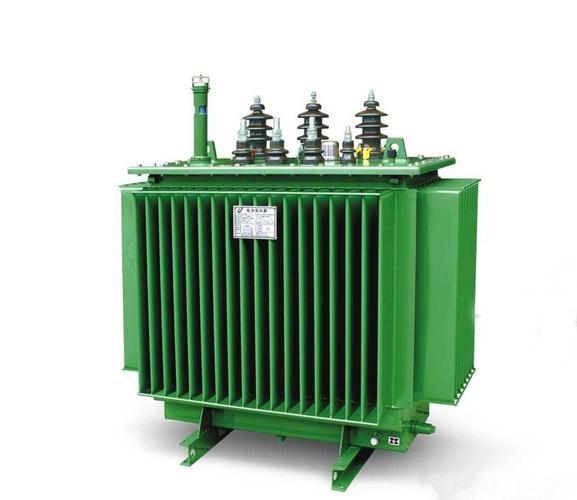
efore designing electroplating power transformer, its main technical parameters must be clear, including rated input voltage, output voltage, current, power, frequency and cooling mode. Electroplating power supply usually adopts low voltage and high current output mode, so transformer design should pay attention to the conductor cross-sectional area and heat dissipation capacity at the output side to reduce copper loss and temperature rise.
Second, the main points of structural design
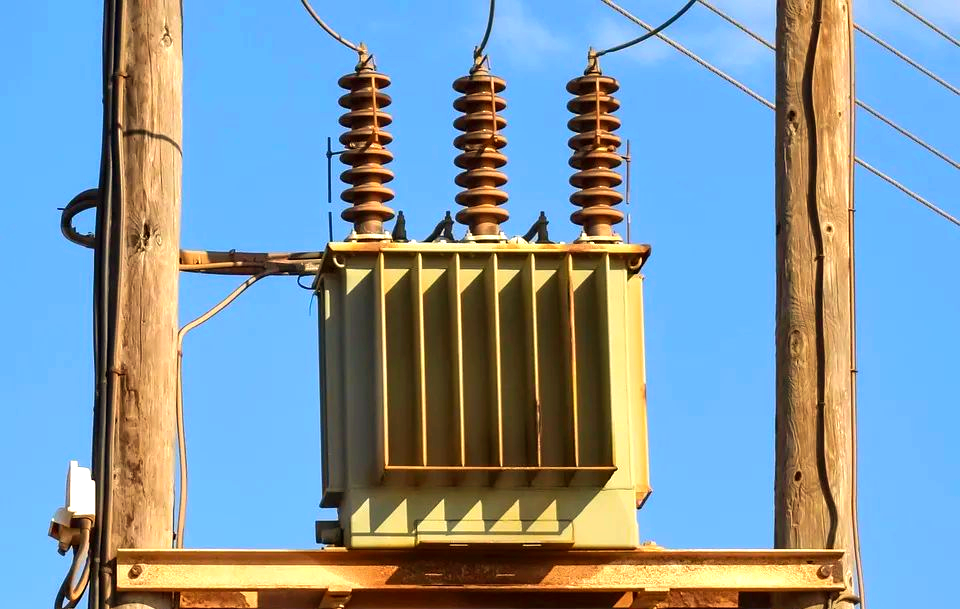
. Selection of iron core material: The transformer for electroplating generally works at power frequency (50Hz or 60Hz), and the iron core material is mostly cold-rolled silicon steel sheet, which has the characteristics of high magnetic permeability and low loss, which is helpful to improve efficiency and reduce heat generation.
2. Winding design: Because the electroplating power supply requires a large output current, the number of turns of the primary winding is relatively small, and the cross-sectional area of the conductor is large. The secondary winding is designed according to the rectifier type (such as single-phase bridge and three-phase bridge), and the insulation and withstand voltage level between windings should be considered.
3. Heat dissipation and cooling: In order to prevent the transformer from overheating due to long-term operation, it is necessary to design a reasonable heat dissipation structure. Natural air cooling, forced air cooling or oil immersion cooling can be adopted, depending on the power and use environment.
4. Safety isolation: There should be enough insulation distance and insulation materials between the primary side and the secondary winding to prevent breakdown accidents and ensure personal and equipment safety.
III. Efficiency and Loss Control
In order to improve the working efficiency of transformer, the material selection, winding structure and cooling system design should be optimized. Minimize copper loss and iron loss to avoid performance degradation or equipment aging caused by heating.
Fourth, environmental adaptability considerations
The electroplating workshop is usually in a bad environment, and there may be problems such as acid fog, humidity and high temperature. Therefore, in the design of transformer shell, protection measures such as anti-corrosion, moisture-proof and dust-proof should be considered to improve the environmental adaptability and service life of the equipment.
V. Testing and Verification
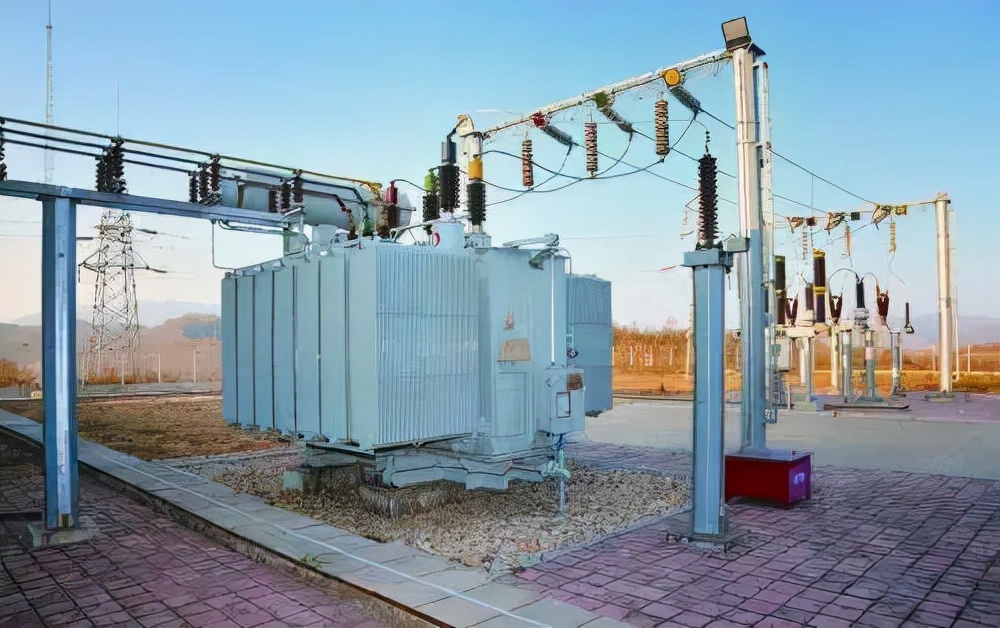
After the design is completed, strict electrical tests (such as no-load and short-circuit tests) and temperature rise tests should be carried out on the transformer to ensure that it meets the design parameters and actual use requirements.
tag
To sum up, the design of electroplating power transformer is a comprehensive engineering task, which needs to be comprehensively considered from electrical performance, structural design, material selection, thermal management and environmental adaptability. Only on the basis of scientific design can the transformer run stably and reliably in electroplating process, and bring good economic benefits and safety guarantee to enterprises.

 Time:2025-12-27 14:26:52
 ClickNumber of times:176
  Browse
 Home page
 position: