
Hotline
 Time:2025-12-25 03:37:36
 ClickNumber of times:217
 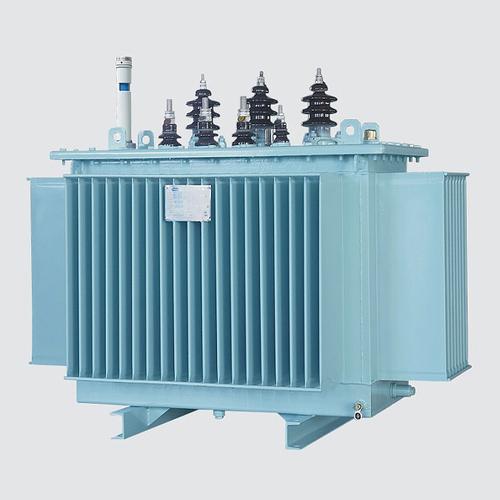 he working principle of traction transformer is similar to that of ordinary power transformer, and voltage conversion is based on electromagnetic induction principle. When high-voltage alternating current passes through the primary winding, an alternating magnetic field is generated in the iron core, so that a corresponding proportion of low-voltage alternating current is induced in the secondary winding. The difference is that traction transformers usually use three-phase single-phase or single-phase single-phase wiring to balance the power grid load, such as V/v wiring, Scott wiring and other structures, in order to reduce the asymmetric impact on the three-phase power system.
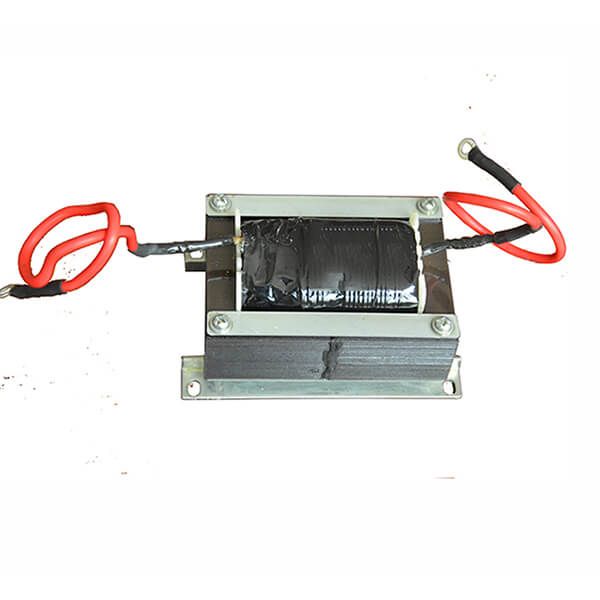 n the process of power supply, after the traction substation receives the electric energy from the state grid, the traction transformer first steps down the high-voltage current, and then directly transmits the electric energy to the catenary through the rectifier (in the DC traction system) to provide power for the electric locomotive. In the AC traction system, there is usually a main transformer inside the electric locomotive to further reduce the voltage for the traction motor.
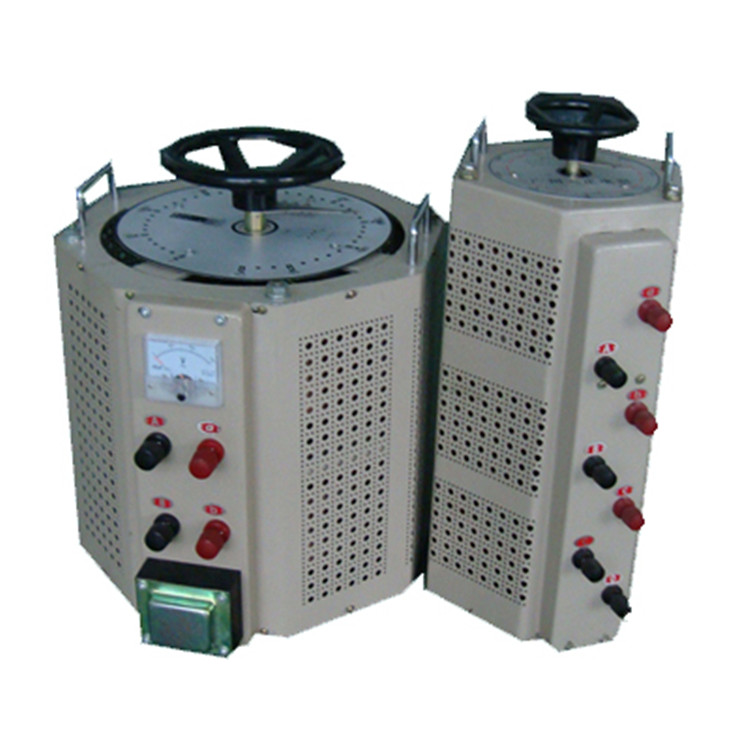 In addition, the traction transformer also has good overload capacity and high reliability to adapt to the current impact caused by frequent starting and braking in railway transportation. At the same time, in order to ensure the safety of power supply system, traction transformers are usually equipped with perfect protection devices, such as over-current protection and differential protection, to prevent equipment from being damaged by short circuit or abnormal operation.
 Browse
 Home page
 position: