As an indispensable electrical equipment in power system, the running state of transformer directly affects the safety and stability of the whole system. Excitation current is a key index in the operation parameters of transformer. Excitation current not only reflects the performance of iron core, but also can be used to judge whether there are abnormal phenomena such as iron core saturation and turn-to-turn short circuit in transformer. Therefore, it is of great significance to accurately measure the excitation current of transformer for condition evaluation and fault diagnosis of equipment.
First, the basic concept of excitation current
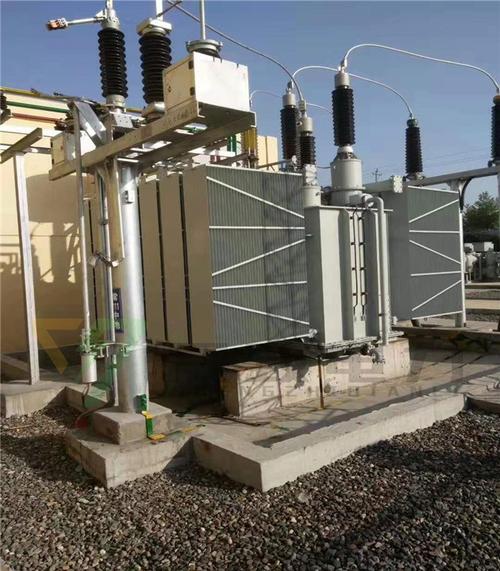
xcitation current refers to the current drawn from the power supply in order to establish the main magnetic flux when the transformer is running at no load. It mainly flows through the primary winding to generate alternating magnetic flux in the iron core. Excitation current usually consists of two parts: one part is used to establish magnetic flux (reactive component) and the other part is used to compensate the loss (active component) in the iron core. Under normal circumstances, the excitation current is relatively small, generally 2%~5% of the rated current of the transformer, but it will increase significantly when the core is saturated or the winding is short-circuited between turns.
Second, the measurement method of excitation current
1. Direct measurement method
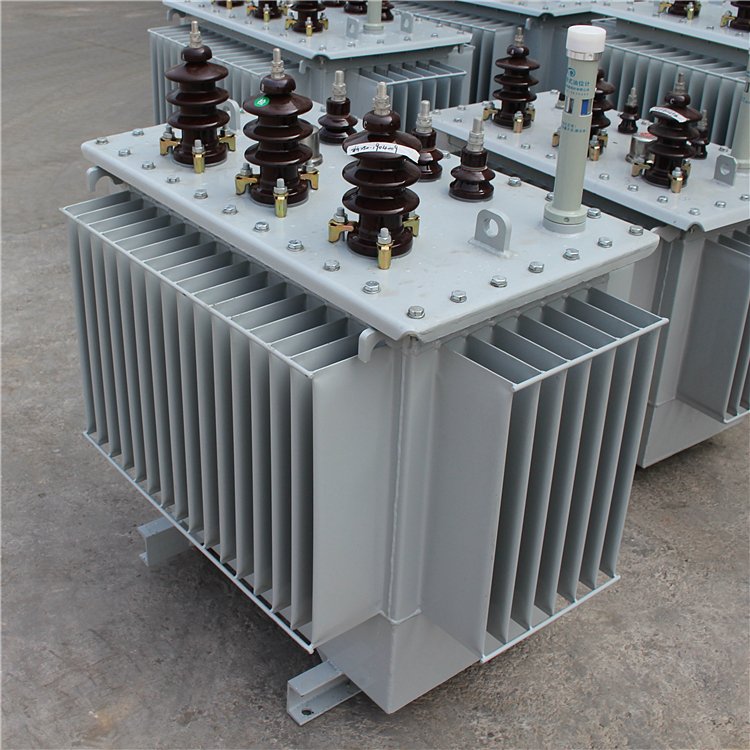
he direct measurement method is that the current transformer (CT) or clamp ammeter is directly connected to the primary winding for measurement. This method is easy to operate and suitable for field test. The specific steps are as follows:
-Disconnect the high voltage side of the transformer and open the low voltage side;
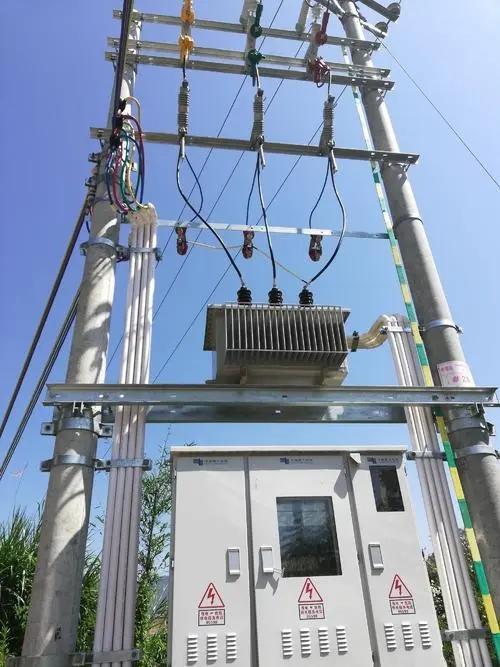
-Apply rated voltage on the high voltage side;
-Use a clamp ammeter to measure the input current at the high voltage side, which is the excitation current;
-Record the three-phase current value and judge whether it is balanced.
It should be noted that the interference of external magnetic field should be avoided as far as possible when using the clamp ammeter to ensure the measurement accuracy.
2. Variable ratio tester measurement method
In modern electric power testing, the transformer excitation current is often measured by a variable ratio tester. By pressurizing the primary winding, the instrument measures the voltage of the secondary winding and the primary current, thus automatically calculating the excitation current and the transformation ratio. This method has high precision and intuitive data, and is suitable for laboratory and field detection.
3. Oscilloscope method
When the excitation current waveform needs to be analyzed in more detail, the digital oscilloscope can be used with the current probe to collect the excitation current waveform. By observing whether the current waveform is distorted, it can be judged whether the iron core is saturated or whether there are other abnormal conditions. This method is mostly used in scientific research or fault analysis.
Third, the factors affecting the measurement of excitation current
1. The magnitude and frequency of applied voltage
The excitation current is closely related to the applied voltage, and the voltage should be guaranteed to be rated frequency and rated amplitude during measurement.
2. Core material and structure
Iron cores with different materials and structural designs will affect the magnetization characteristics, thus affecting the value of excitation current.
3. Ambient temperature
Temperature change will affect the winding resistance, thus affecting the current measurement results, which should be considered in high-precision measurement.
4. Iron core remanence
The transformer may have residual magnetic flux after power failure, which will affect the measurement result of the next excitation current. If necessary, it should be demagnetized.
Fourth, the application significance of excitation current
-Judging the iron core condition: If the excitation current increases significantly, it may be that the iron core is saturated or there is a local short circuit.
-Identify turn-to-turn short circuit: When turn-to-turn short circuit occurs in the winding, the excitation current will also increase obviously.
-Evaluation of insulation status: Abnormal excitation current may reflect insulation defect between winding and ground.
-Guide transformer operation and maintenance: Measuring excitation current regularly is helpful to find potential faults and prevent accidents.
tag
To sum up, the measurement of excitation current is not only an important content of transformer performance test, but also one of the key means to ensure the safe operation of transformer. With the development of power equipment detection technology, the measurement methods are increasingly diversified and accurate. In practical work, appropriate measurement methods should be selected according to the test purpose and field conditions, and combined with other test data for comprehensive analysis to ensure accurate and reliable conclusions.

 Time:2025-12-04 13:19:32
 ClickNumber of times:193
  Browse
 Home page
 position: