Rectifier transformer is an indispensable part of power electronic system, which is widely used in DC power supply, electroplating, electrolysis, traction system and other fields. Its main function is to convert the voltage of AC power supply into a voltage suitable for rectifier operation, and realize electrical isolation between input and output. This paper will introduce in detail the basic principle, design flow and selection of key parameters of rectifier transformer.
First, the basic principle of rectifier transformer
Rectifier transformer is usually connected between AC power supply and rectifier. It converts the AC voltage into an appropriate voltage level to meet the needs of subsequent rectifier circuits (such as single-phase or three-phase bridge rectifier circuits). In addition, the rectifier transformer can also realize the electrical isolation between AC system and DC system, and improve the safety and stability of the system.
Second, the design process overview
1. Determine the system requirements
Before designing the rectifier transformer, the basic parameters of the rectifier system, such as input voltage, frequency, output current, output voltage and power demand, should be defined. At the same time, the load type and working environment (such as temperature, humidity, etc.) should be considered.
2. Choose the transformer structure.
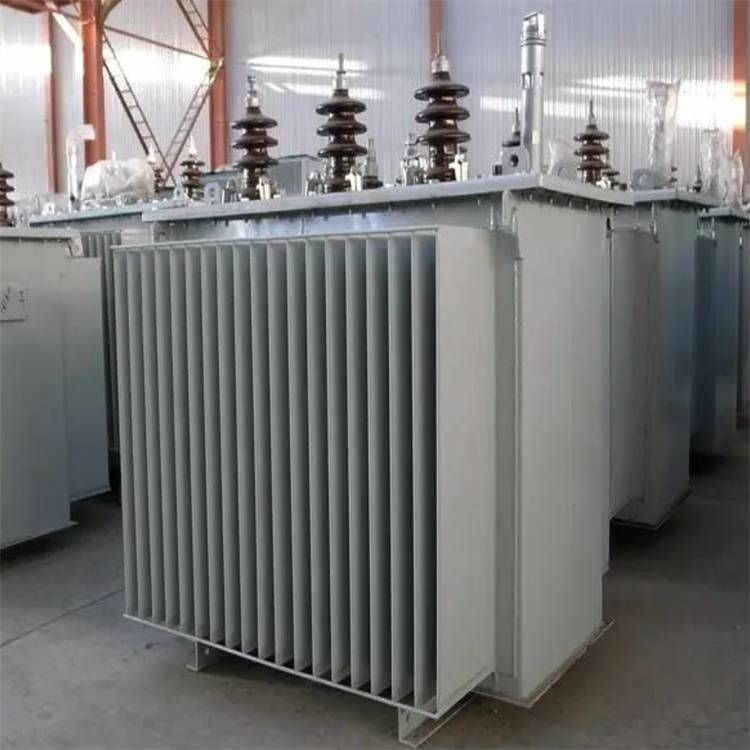
ectifier transformer can adopt single-phase or three-phase structure, depending on the type of rectifier circuit. For example, a three-phase bridge rectifier circuit usually adopts a three-phase double-winding transformer.
3. Calculate the rated parameters
Includes rated voltage, rated current and apparent power of primary and secondary sides. Among them, the voltage drop of rectifier, line voltage drop and load regulation requirements should be considered for the secondary side voltage.
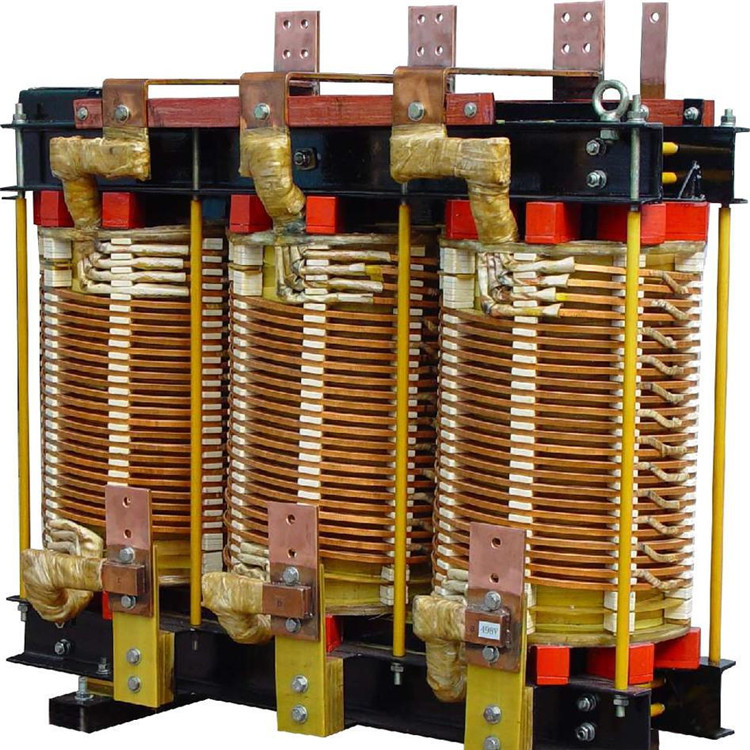
4. Select core material and winding design.
The commonly used iron core material is silicon steel sheet, which has low hysteresis loss and eddy current loss. The winding should choose the appropriate conductor cross-sectional area according to the current to avoid overheating and consider the heat dissipation conditions.
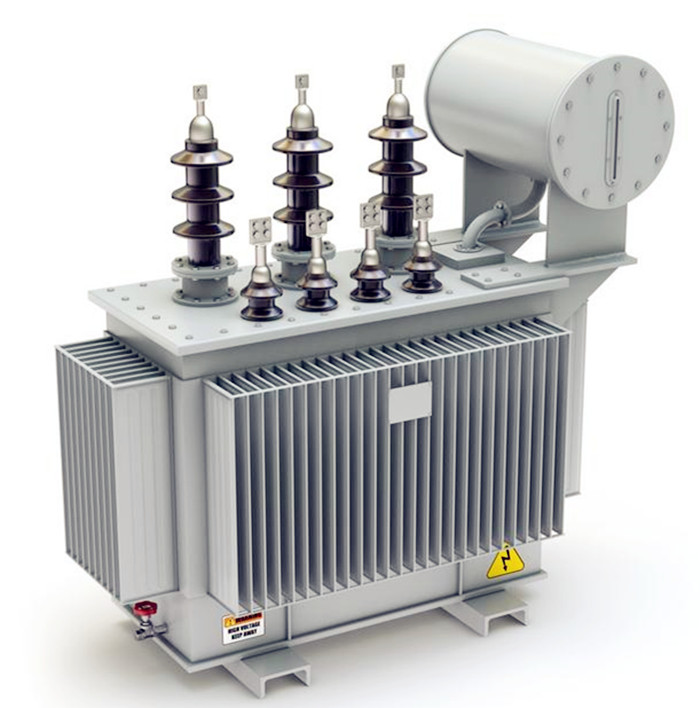
. Consider insulation and cooling methods.
Rectifier transformer should have good insulation performance to withstand short-term overvoltage and surge voltage in the system. The cooling mode can be natural cooling, air cooling or oil cooling, depending on the power level and the use environment.
6. Verification and testing
After the design is completed, temperature rise test, insulation withstand voltage test and short circuit test are needed to ensure that the transformer meets the performance and safety requirements in actual operation.
hird, the design considerations
-Harmonic influence: Because the rectifier load usually has nonlinear characteristics, it will lead to harmonic current in the transformer, and its influence on temperature rise and loss should be considered in the design.
-Regulation characteristics: In some applications, the transformer is required to have voltage regulation ability, which can be realized by on-load voltage regulation or phase shift control.
-Economy and reliability: On the premise of meeting the technical requirements, the material cost and manufacturing process should be optimized to improve the reliability and service life of the equipment.
IV. Conclusion
As an important bridge connecting AC system and DC system, the design quality of rectifier transformer directly affects the efficiency and stability of the whole power system. Reasonable design not only needs to master the knowledge of electromagnetism and circuit theory, but also needs to be comprehensively considered in combination with practical application requirements. With the development of power electronics technology, the design of rectifier transformer is also progressing, and it is developing towards high efficiency, energy saving and intelligence.

 Time:2025-11-17 09:09:46
 ClickNumber of times:168
  Browse
 Home page
 position: