First, the basic functions of microgrid transformer
Microgrid transformers are usually used to connect power grids with different voltage levels, such as connecting distributed power sources (such as photovoltaic and wind power generation) to low-voltage distribution networks or medium-voltage main networks. Its main functions include voltage conversion, electrical isolation, power regulation and fault isolation. When the microgrid operates in isolated island, the transformer needs to maintain the stability of system voltage and frequency.
Second, the microgrid transformer control strategy
1. Constant voltage and frequency control (V/f control)
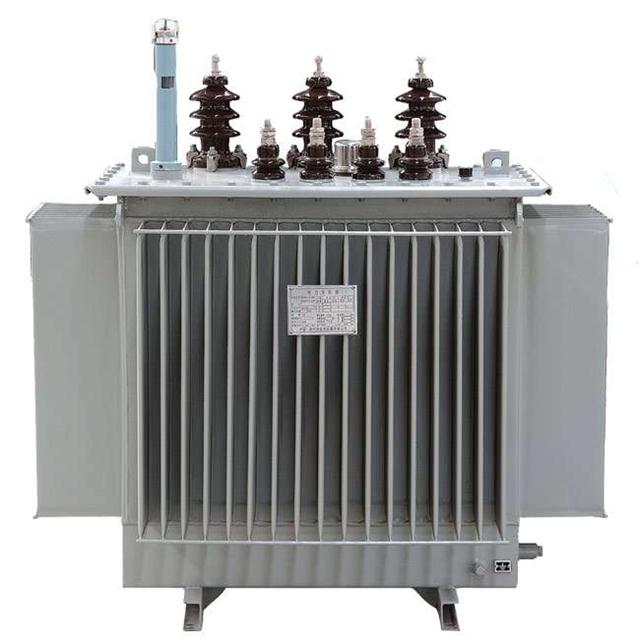
n the microgrid island operation mode, due to the lack of support from the main network, the transformer needs to maintain the voltage and frequency stability of the system. At this time, the constant voltage and frequency control strategy is usually adopted. By controlling the output voltage amplitude and frequency of the transformer, it can be used as the "voltage source" of the system and provide reference for other distributed power sources and loads.
2. The Droop Control (droop control)
Sag control simulates the natural droop characteristics between frequency-active power and voltage-reactive power of traditional synchronous generators, and is suitable for the scene of parallel operation of multiple transformers. This method does not need to rely on high-speed communication, has good robustness and scalability, and shows good adaptability when microgrid is connected to the grid and island switching.
3. Master-Slave Control.
In the master-slave control system, one transformer as the "master controller" is responsible for maintaining the voltage and frequency of the whole system, and the other "slave controllers" output power according to the instructions of the master controller. This method has high control precision, but it is highly dependent on communication, and is suitable for scenes with high stability requirements.
4. Intelligent coordinated control
With the application of artificial intelligence and big data technology, intelligent coordinated control has gradually become a research hotspot. With the help of advanced sensing, communication and control algorithms, the cooperative optimization between transformers and other distributed energy devices can be realized, and the operation efficiency and economy of the whole system can be improved.
II. Key technical challenges in control
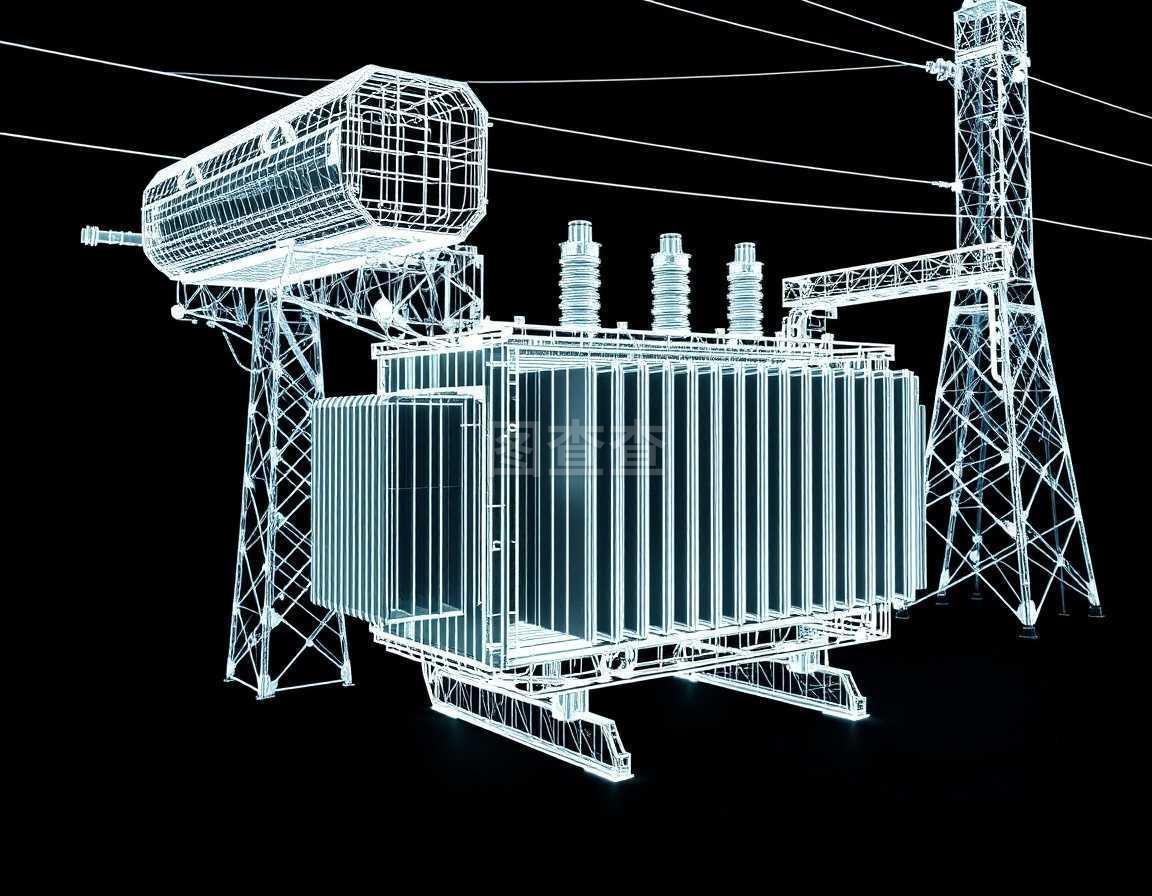
Although there are various control strategies, the control of microgrid transformers still faces many challenges. For example, sudden load change, new energy fluctuation, grid connection and island mode switching will all affect the stable operation of transformers. In addition, the coordinated control among multiple transformers, the dynamic response speed of the system and the perfection of protection mechanism are also the key directions of current research.
Fourth, the future development trend
In the future, the transformer control of microgrid will develop in the direction of intelligence, modularization and coordination. With the help of digital twinning, edge calculation and adaptive control algorithm, real-time monitoring and optimal control of transformer is the key path to improve the efficiency and reliability of microgrid operation.
tag
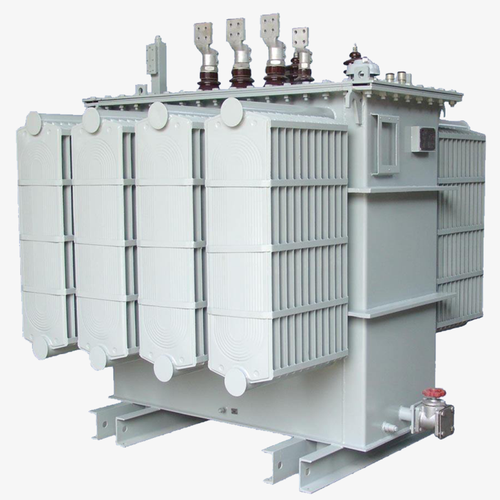
The control of microgrid transformer is not only related to the safe and stable operation of the system, but also directly affects the energy utilization efficiency and power quality. With the continuous progress of technology, more intelligent and efficient control strategies will emerge, which will provide strong support for building a green, intelligent and sustainable energy system.

 Time:2025-11-07 01:16:45
 ClickNumber of times:175
  Browse
 Home page
 position: