I. Design principles
The following basic principles should be followed in the design of electric locomotive transformers:
1. Safety: The transformer must have good insulation performance and short-circuit resistance to cope with electromagnetic impact and mechanical stress in complex operating environment.
2. High efficiency: The energy conversion efficiency should be improved as much as possible, and the no-load and load losses should be reduced to improve the energy efficiency of the whole machine.
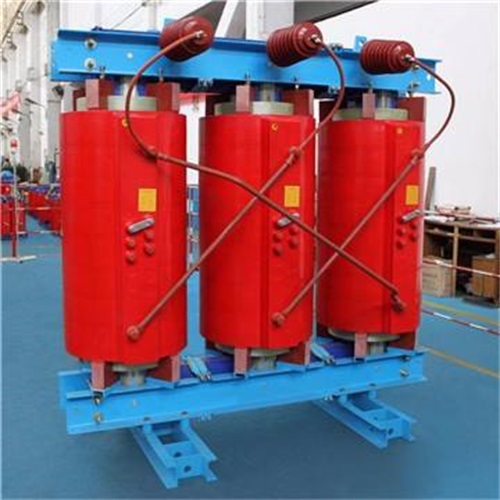
. Lightweight and compactness: Due to the limited installation space and sensitivity to the weight of the whole vehicle, the transformer design needs to be as lightweight and compact as possible.
4. Reliability and durability: Long-term operation in the harsh environment of vibration, large temperature difference and much dust requires the transformer to have high reliability and long service life.
Second, the main design parameters
When designing electric locomotive transformers, the following key parameters need to be determined:
-Rated capacity: determined according to the total power demand of locomotive, including traction motor power and auxiliary system power.
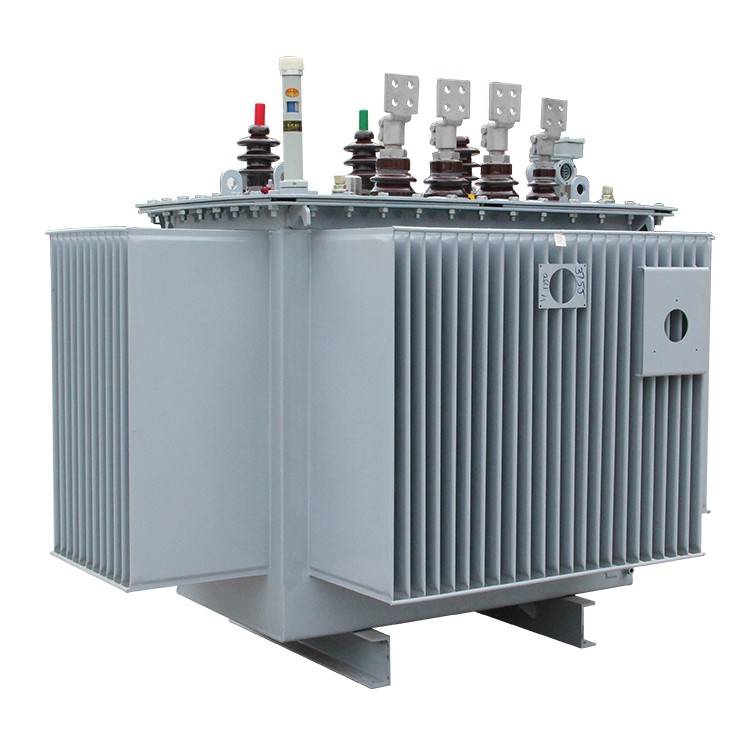
Voltage ratio: It is set according to the voltage level of catenary and the requirements of internal electrical equipment of locomotive.
-cooling mode: forced oil circulation air cooling (ODAF) or natural oil circulation air cooling (ONAF) are common, which should be selected according to power level and installation space.
-Winding structure: The configuration of main winding, traction winding and auxiliary winding shall meet the requirements of multi-voltage output.
-Insulation grade: H-grade or higher insulation materials are usually used to adapt to high temperature environment.
III. Key technical points
1. Electromagnetic design: adopt advanced electromagnetic field simulation software to optimize the magnetic circuit design, ensure the reasonable distribution of magnetic flux density, and reduce iron loss and eddy current loss.
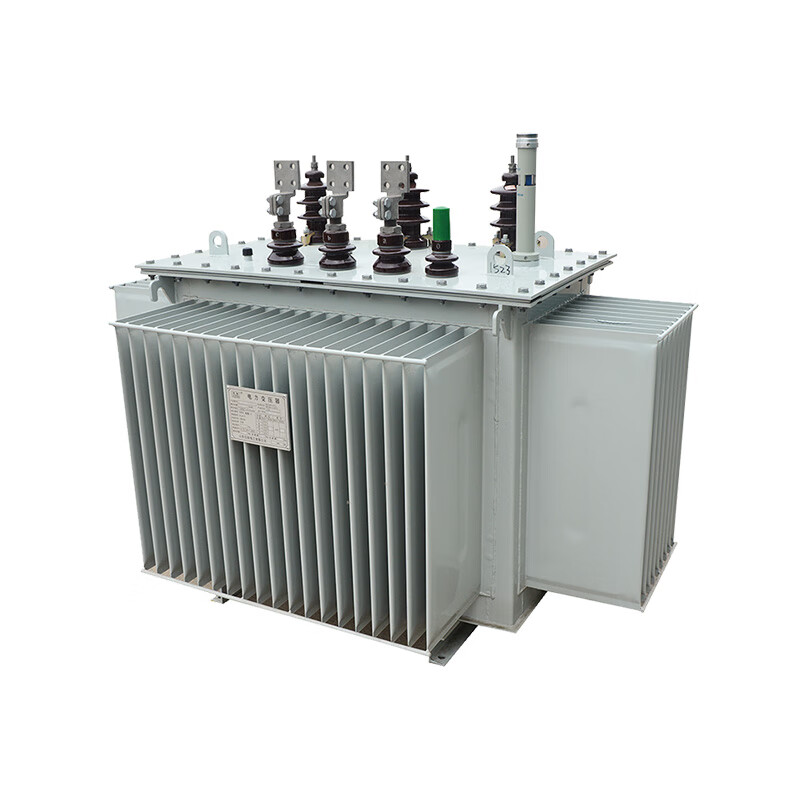
. Structural design: modular design concept is adopted to facilitate maintenance and replacement; At the same time, seismic, dustproof, moisture-proof and other protective measures should be considered.
3. Material selection: select high-quality silicon steel sheet, copper material and insulating material to improve overall performance and service life.
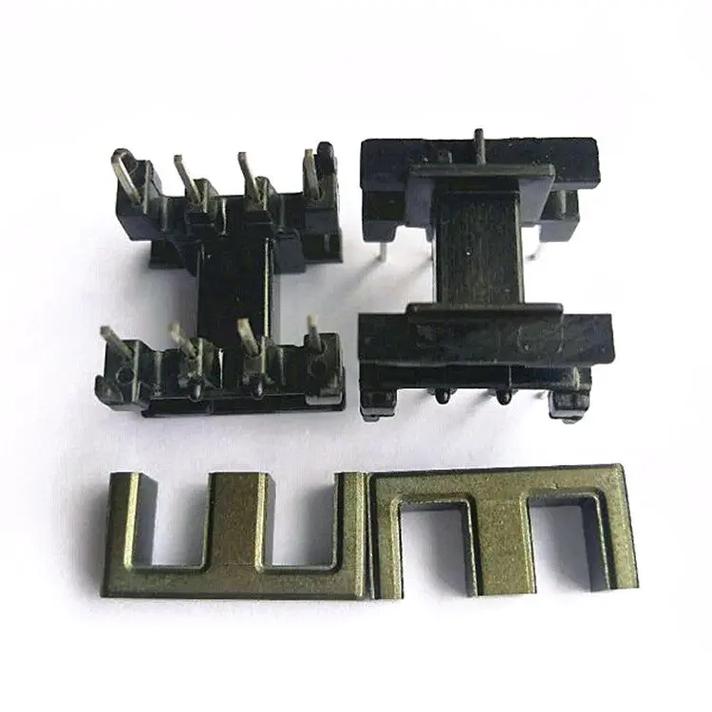
4. Thermal design: through reasonable cooling system design and temperature rise calculation, ensure that the temperature of the transformer does not exceed the standard when running under rated load.
Fourth, the development trend
With the development of power electronics technology and materials science, electric locomotive transformers are developing in a more efficient, intelligent and environmentally friendly direction;
-Intelligentization: integrate sensors and monitoring systems to realize real-time condition monitoring and fault early warning.
-High frequency: adopting high frequency transformer technology to reduce volume and weight.
-Environmental protection: use environmentally-friendly insulating oil or dry-type transformer to reduce the impact on the environment.
tag
To sum up, the design of electric locomotive transformer is a complex project involving many disciplines, including electromagnetism, structure, materials and thermal management. In the future, with the continuous improvement of railway electrification level, the requirements for transformer performance will also be continuously improved, which will promote the continuous progress and innovation of its design technology.

 Time:2026-05-22 10:43:06
 ClickNumber of times:152
  Browse
 Home page
 position: