Transformer is an indispensable and important equipment in power system, which is mainly used for voltage conversion to realize efficient transmission and distribution of electric energy. However, in the process of operation, a lot of heat will be generated inside the transformer. If the heat is not dissipated in time, it will lead to overheating of the equipment, affect its normal operation, and even cause failure or shorten its service life. Therefore, the cooling system of transformer is very important, and its design and operation are directly related to the safety and reliability of equipment.
The heating of transformer mainly comes from iron core loss and copper loss of winding. If the heat generated by these losses is not discharged in time, the internal temperature of the transformer will rise, which will further affect the performance of insulation materials and accelerate aging, and may even lead to short circuit or fire. In order to ensure the stable operation of the transformer, effective cooling measures must be taken.
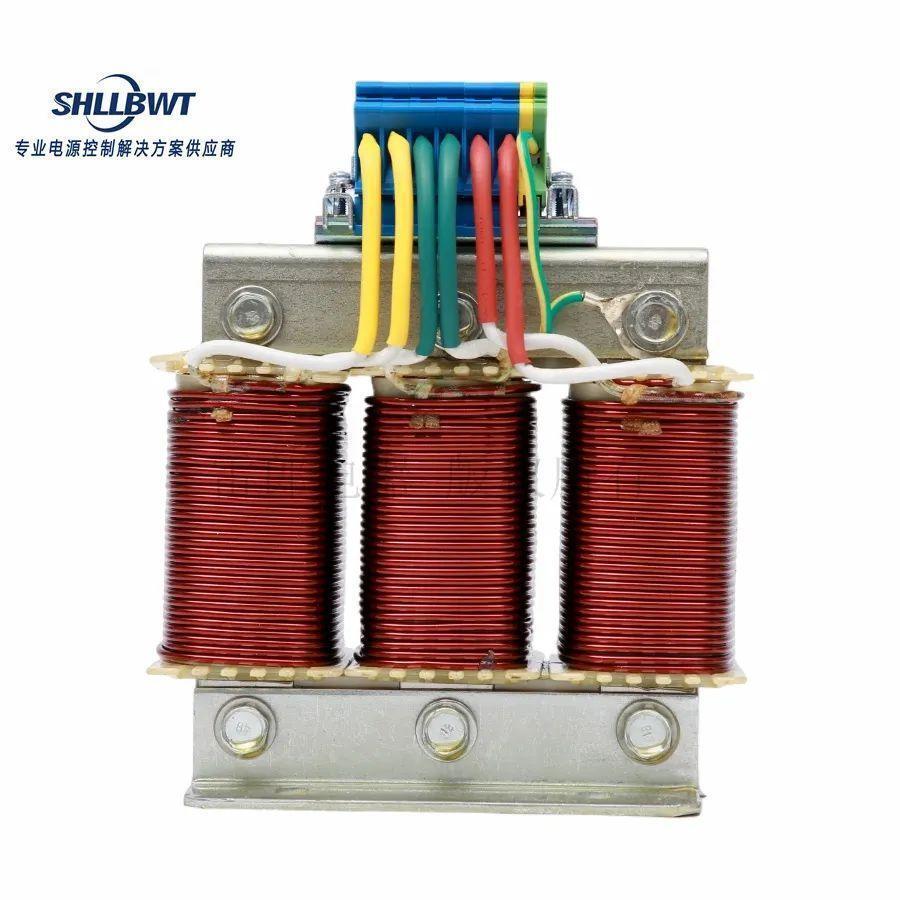
According to the different cooling media and cooling methods, the common transformer cooling methods mainly include the following:
1. Natural air cooling (ONAN): This cooling method mainly relies on the natural convection of transformer oil and the natural flow of surrounding air to dissipate heat. Transformer oil rises after being heated and sinks after being cooled, forming circulation, conducting heat to radiator, and then being naturally cooled by air. This method has simple structure and low operating cost, and is suitable for small transformers.
2. Forced air cooling (ONAF): On the basis of natural cooling, fans are added to speed up heat dissipation and improve cooling efficiency through forced air flow. Suitable for transformers with medium capacity, which can significantly improve the heat dissipation capacity when the load is high.
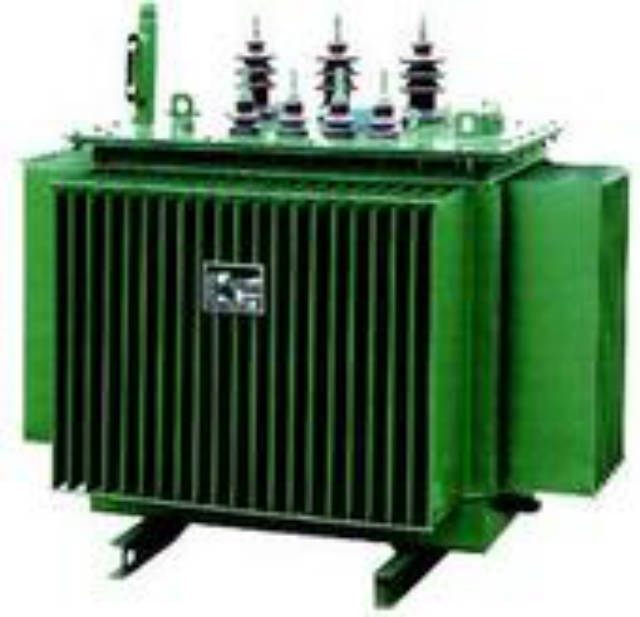
. Forced oil circulation air cooling (OFAF): In this way, the transformer oil is forced to circulate by an oil pump, and the oil is cooled by a fan. It has high cooling efficiency, is suitable for transformers with large capacity and high load operation, and is widely used in power main transformers.
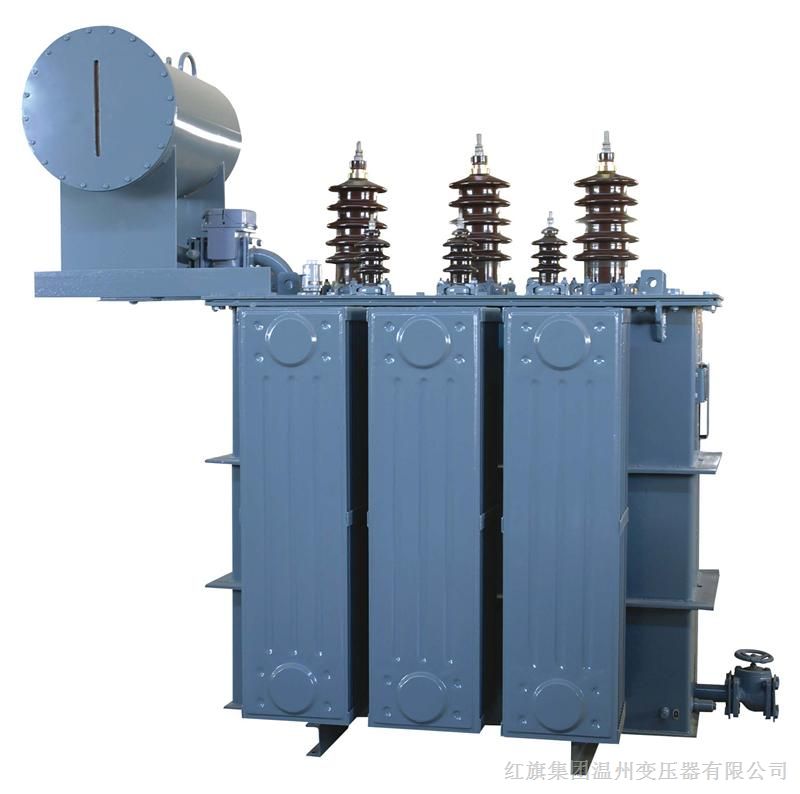
4. Water-cooled cooling (OFWF): Water is used as the cooling medium, and the heat in the oil is transferred to the water through a heat exchanger, and then taken away by the water. The water cooling system has strong cooling capacity, and is suitable for very large transformers or places with limited space and high ambient temperature.
In addition, intelligent cooling system has appeared in recent years, which can automatically adjust the cooling intensity according to the load change by combining temperature sensor, automatic control and energy-saving technology, so as to achieve the purpose of saving energy and reducing consumption.
To sum up, the cooling system of transformer is the key link to ensure its safe and stable operation. Different cooling methods have their own advantages and disadvantages, and should be reasonably selected according to the capacity, operating environment and load characteristics of the transformer. With the development of power system, the future transformer cooling technology will be more intelligent and efficient to meet the growing power demand and the requirements of energy conservation and environmental protection.

 Time:2026-05-11 22:54:21
 ClickNumber of times:120
  Browse
 Home page
 position: