With the optimization of energy structure and the deepening of market-oriented reform, electricity market-oriented trading has become an important means to promote the high-quality development of the power industry. The traditional power industry is uniformly scheduled and priced by the state, while the modern power market realizes the optimal allocation of resources through the competition mechanism, and improves the operating efficiency and service level of the power system.
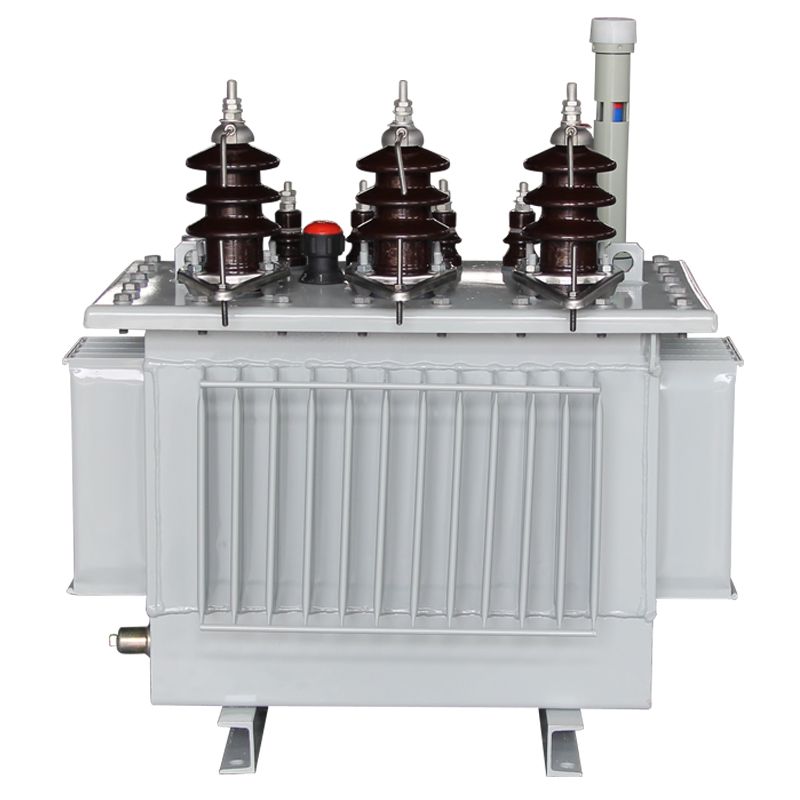
. Basic structure of electricity market
Electricity market is usually divided into two categories: medium and long-term market and spot market. Among them, the medium and long-term market includes annual and monthly transactions, and the price and quantity of power transactions are mainly determined through bilateral negotiation and centralized bidding; The spot market is traded before or on the day of the actual operation of electricity, mainly including the day before the market and the real-time market to ensure the real-time balance between power supply and demand.
In addition, the power auxiliary service market is also an indispensable part to ensure the safe and stable operation of the power system, such as frequency modulation, standby, reactive power regulation and other services.
Second, market players and trading methods
The main participants in the power market include power generation enterprises, power sales companies, large users and power grid enterprises. Power generation enterprises sell electricity through bidding or negotiation, and users (especially large users) can directly participate in market transactions, choose suitable power suppliers, and the power sales company acts as an intermediary to provide power services and price optimization for users.
There are mainly the following trading methods:
. Bilateral negotiation transaction: the buyer and the seller directly negotiate the electricity price and electricity quantity, which is applicable to medium and long-term contracts;
2. Centralized bidding transaction: on the platform of power trading center, buyers and sellers submit quotations, and the system matches the transaction according to the principle of "price first, time first";
3. Listing transaction: one party is listed and quoted, and the other party is delisted, which is common in a specific period of time or under special circumstances;
4. Spot market clearing: Power dispatching and settlement are carried out through the day-ahead and real-time markets to ensure the balance between supply and demand.
Third, the process of power transaction
The process of power transaction generally includes: market registration, transaction declaration, transaction matching, dispatching execution, measurement and settlement, etc. Participants need to register in the relevant power trading center, submit the declaration information according to the trading rules, the trading center will match or clear according to the quotation, the dispatching agency will arrange the power operation according to the winning result, and finally settle the electricity fee according to the actual electricity consumption.
ourth, the significance of electricity market transactions
arket-oriented trading of electricity not only improves the efficiency of resource allocation, but also enhances the choice of users, promotes the competition among power generation enterprises, and thus promotes the rationalization of electricity prices. At the same time, the introduction of the market will help promote the development of clean energy, increase the consumption ratio of renewable energy, and help achieve the goal of "double carbon".
To sum up, electricity market transaction is an important mechanism for the operation and management of modern power systems. With the technological progress and system improvement, the future power market will be more open, flexible and efficient, which will provide strong support for building a clean, low-carbon, safe and efficient modern energy system.

 Time:2026-05-02 18:58:28
 ClickNumber of times:123
  Browse
 Home page
 position: