
Hotline
 Time:2026-04-27 14:34:21
 ClickNumber of times:109
 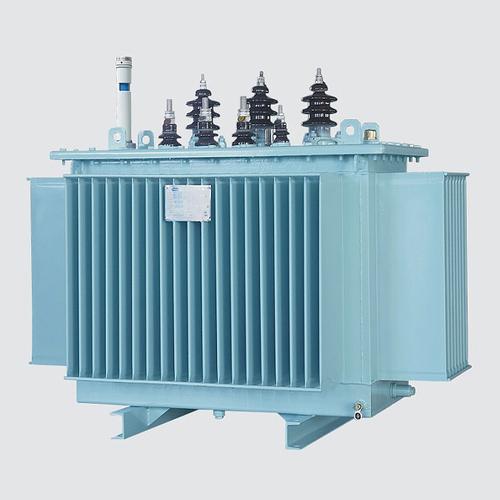 he first step of thermal power generation is to burn fuel to produce high temperature and high pressure steam. Coal is one of the most common fuels. After entering the power plant, it will be crushed into fine powder to improve the combustion efficiency. Subsequently, the pulverized coal is sent to the combustion chamber in the boiler and burned at high temperature, releasing a lot of heat energy. This heat is transferred to the water in the boiler, which is heated and converted into high-temperature and high-pressure steam.
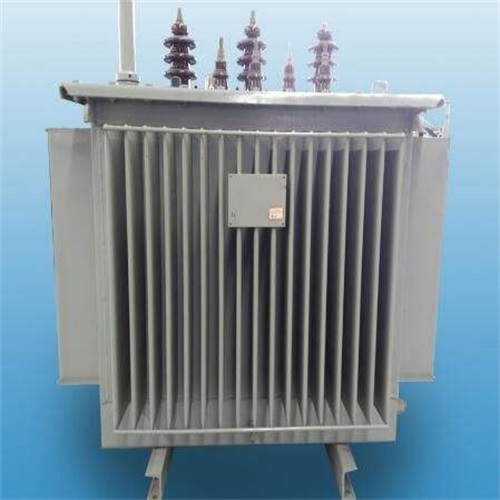 he steam is then introduced into the turbine. The steam turbine consists of a series of rotating blades. When high-speed steam hits these blades, the steam turbine starts to rotate. The steam turbine is connected to the generator, and its rotating motion drives the rotor inside the generator to rotate through the principle of electromagnetic induction, thus generating current in the stator and realizing the conversion from mechanical energy to electrical energy.
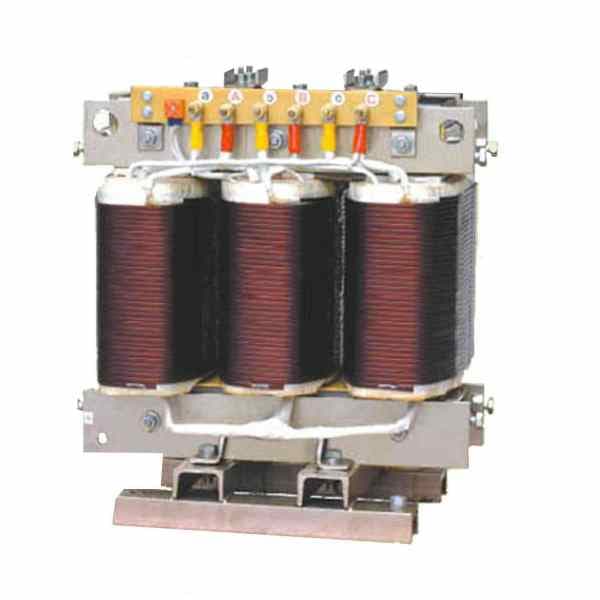 n order to ensure the stable operation of the thermal power station, it is also equipped with control system, power transmission equipment and environmental protection treatment facilities. Modern thermal power plants generally adopt advanced desulfurization, dust removal and denitrification technologies to reduce the emission of pollutants such as sulfur dioxide, nitrogen oxides and particulate matter, and reduce the impact on the environment.
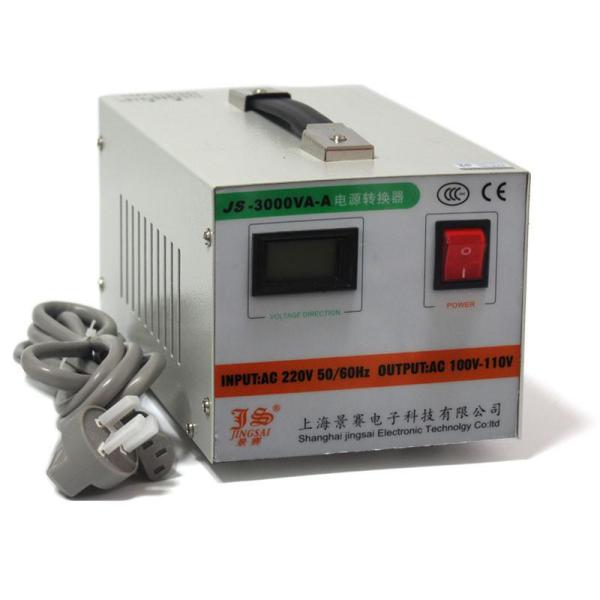 Generally speaking, thermal power generation, as an important source of power supply, embodies the efficient conversion mechanism between thermal energy and electric energy in its operation process, and also faces the challenges of technological upgrading and environmental protection. With the progress of science and technology, thermal power generation will continue to play an important role in the future and develop in a cleaner and more efficient direction.
 Browse
 Home page
 position: