I. What is insulation resistance?
Insulation resistance refers to the resistance value between live part and non-live part (such as shell or ground) in electrical equipment. Under normal circumstances, this resistance value should be very high, usually above megaohms (MΩ) level, to ensure that current will not leak through insulating materials and prevent electric shock accidents and equipment damage.
Second, the purpose of insulation resistance measurement
1. Evaluate the aging degree of insulation materials: under the influence of long-term use or environmental factors, insulation materials may be aging, damp or damaged, and measuring insulation resistance can help judge its performance.
. Prevention of electrical accidents: Poor insulation may lead to leakage, short circuit or even fire, and regular measurement will help to find hidden dangers in time.
3. As the acceptance basis after the equipment is put into operation or maintained: after the equipment is installed and maintained, it is confirmed whether it meets the operation standard by measuring the insulation resistance.
Third, measuring tools
The commonly used instrument for measuring insulation resistance is Megohmmeter, commonly known as shaking table. According to different power supply methods, megohmmeters are divided into manual, battery-powered and electronic. Common test voltage levels are 250V, 500V, 1000V, 2500V, etc. The selection should be based on the rated voltage of the equipment under test.
Fourth, the measurement steps
1. Power-off operation: The tested equipment must be completely powered off and discharged to ensure personal and equipment safety.
2. Clean the surface: remove impurities such as dust and oil stain on the surface of the equipment to prevent surface leakage current from affecting the measurement results.
3. Connect the test line:
-Connect the "line end (L)" of the megger to the conductor part of the equipment under test;
-The "ground terminal (E)" is connected to the equipment shell or the earth;
-For high-precision measurement, the "shielded end (G)" can also be used to eliminate surface leakage current.
4. Start the measurement: start the megger, continue the test for about 1 minute, and record the insulation resistance.
5. Discharge treatment: After the measurement, fully discharge the tested equipment to avoid injury caused by residual charge.
V. Judgment of measurement results
-General low-voltage equipment (such as motors and cables) requires insulation resistance not less than 0.5MΩ;;
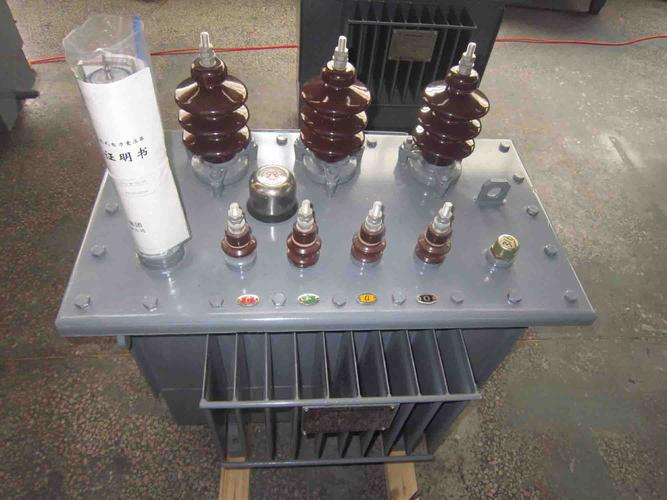
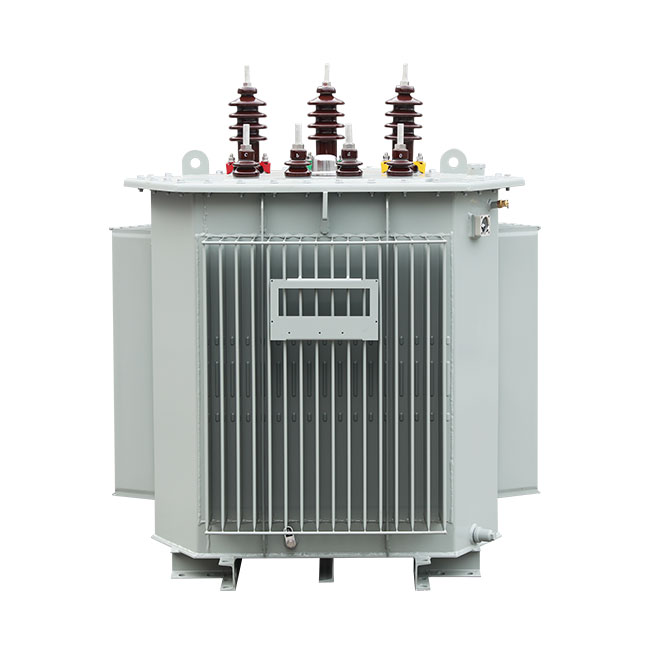
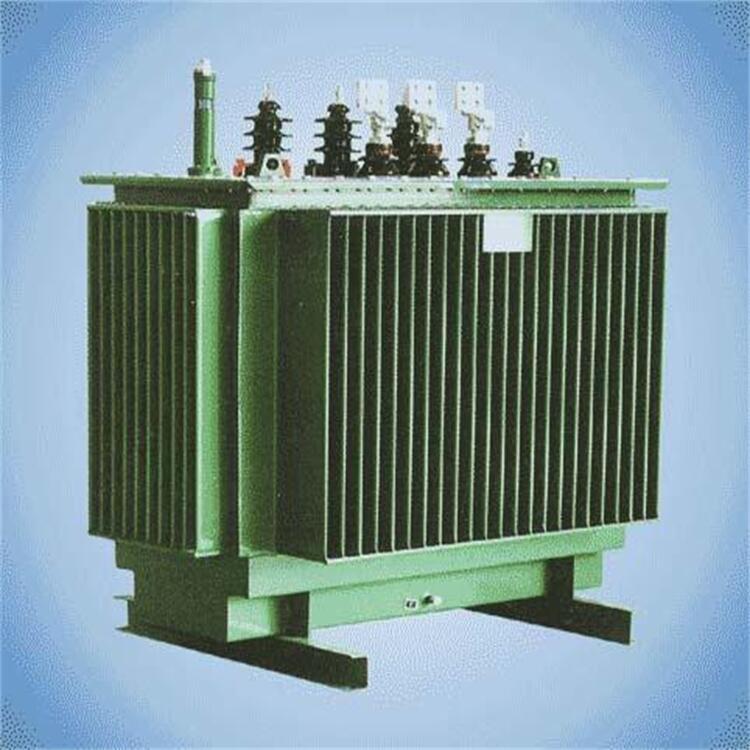
-Higher requirements for high-voltage equipment, such as transformers and generators, are usually required to be above 100MΩ;
-If the measured value is obviously lower than the standard value, further check the reasons, such as moisture, pollution or deterioration of insulation materials.
VI. Matters needing attention
-The measurement should be carried out in a dry environment, which may affect the results when the humidity is high;
-Avoid operating in lightning or strong electromagnetic interference environment;
-No live measurement;
-Regularly check the accuracy of megohmmeter to ensure reliable data.
VII. Conclusion
Although insulation resistance measurement is a basic project, it is very important for the safety and reliability of electrical equipment. Mastering the correct measurement method and judgment standard is of great significance for ensuring the stable operation of the electrical system. Whether it is power system, industrial equipment or daily maintenance, we should attach great importance to the detection of insulation resistance.

 Time:2026-04-03 18:25:27
 ClickNumber of times:116
  Browse
 Home page
 position: