First, the basic composition of transformer magnetic flux
The magnetic flux in transformer mainly includes main flux and leakage flux.
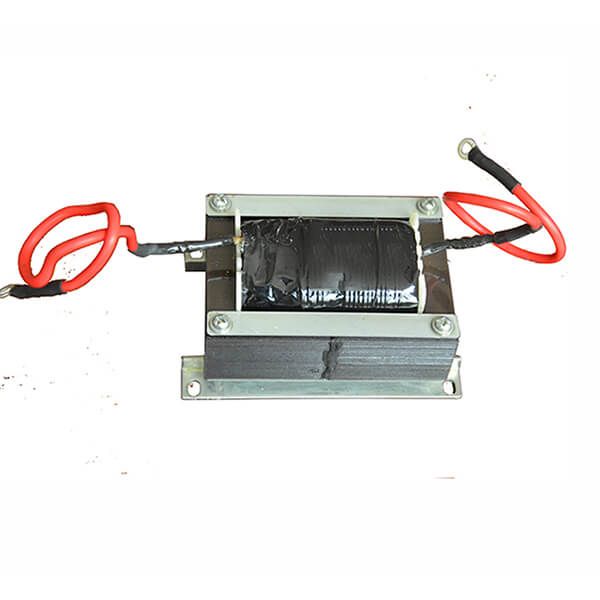
-Main magnetic flux (φ m): The main magnetic flux refers to the magnetic flux that passes through the iron core and crosses the primary winding and the secondary winding at the same time. It is the key part to realize energy transfer, mainly exists in the iron core, and its size is proportional to the applied voltage.
-Magnetic leakage (φ σ): Magnetic leakage refers to the part of magnetic flux that only crosses the primary winding or the secondary winding and does not pass through the iron core to form a closed loop. Leakage flux will cause leakage reactance of transformer and affect voltage regulation rate and efficiency.
Second, the distribution of main magnetic flux
Ideally, the main magnetic flux should be completely closed along the iron core path to achieve efficient energy conversion. In practice, because the permeability of iron core material is much higher than that of air, magnetic flux will flow through the iron core first. The distribution of main magnetic flux has the following characteristics:
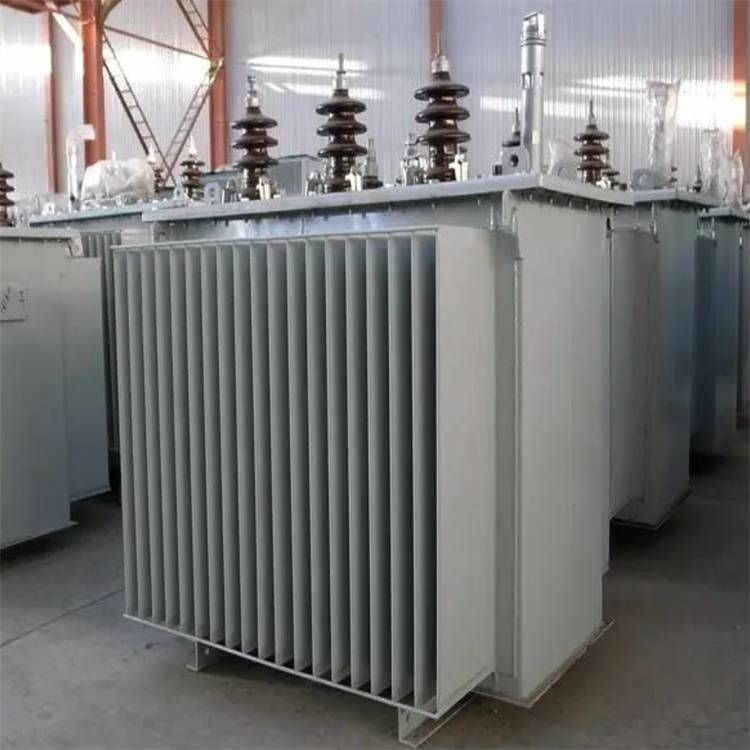
. Concentrated in the iron core: The iron core is made of high magnetic conductivity materials (such as silicon steel sheets), and its magnetic resistance is much smaller than that of air, so most of the magnetic flux is distributed in the iron core.
2. Uniform distribution along the cross section of the iron core: On the cross section of the iron core, the magnetic density distribution is basically uniform, but due to the manufacturing process or magnetic saturation phenomenon, the magnetic density may be slightly higher in the edge area.
3. It is related to the winding structure: when the winding is symmetrically wound on the iron core, the main magnetic flux is symmetrically distributed; If the winding arrangement is asymmetric, it may lead to asymmetry of magnetic circuit.
Third, the distribution of leakage flux
Leakage flux is inevitable, which is mainly affected by winding structure and geometric position. The specific distribution characteristics are as follows:
1. Concentrate on the vicinity of the winding: The leakage flux is usually distributed in the space around the winding, especially at the end of the winding and the gap between layers.
2. Change with the load: With the change of the load current on the secondary side, the leakage flux will also change, resulting in the voltage drop and efficiency change of the transformer.
3. Influence on short-circuit performance: The leakage reactance generated by magnetic leakage will limit the short-circuit current under short-circuit conditions, which is of great significance to transformer protection.
Four, the factors affecting the distribution of magnetic flux
In addition to structural factors, there are some external and internal factors that will affect the distribution of magnetic flux:
-Material characteristics of iron core: The material with high magnetic permeability helps to concentrate the main magnetic flux and reduce the magnetic leakage.
-Frequency and voltage: At high frequency or high voltage, the iron core may tend to be saturated, thus changing the magnetic flux distribution.
-Winding arrangement: Different structures such as concentric winding and pie winding will affect the magnetic flux path and distribution.
-Load state: Under no-load and load state, the magnetic flux distribution is obviously different, especially in leakage flux.
V. Conclusion
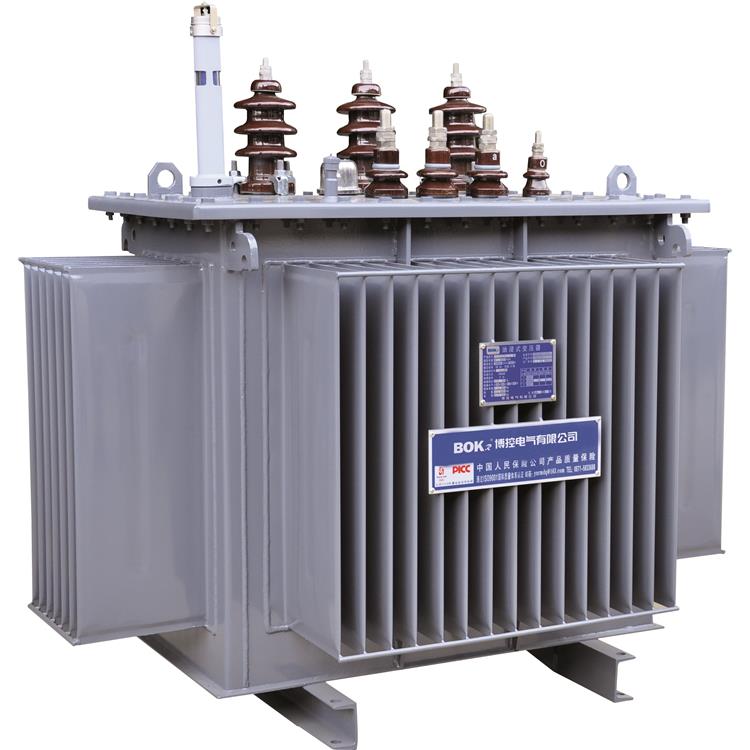
To sum up, the distribution of transformer magnetic flux is a complex but regular physical process. The main magnetic flux is responsible for energy transfer, while the general principle of magnetic leakage affects performance and stability. Through the understanding and optimization design of magnetic flux distribution, the efficiency of transformer can be effectively improved, the loss can be reduced, and the reliability of equipment operation can be improved. In practical application, engineers and technicians should combine theoretical analysis and experimental test to reasonably control the magnetic flux distribution to ensure the efficient and stable operation of transformers under various working conditions.

 Time:2026-02-24 04:08:38
 ClickNumber of times:158
  Browse
 Home page
 position: